


Dear reader,
Consider this a sign of life. As you’ll read in the essay below, things have been a bit crazy for us, and we've chosen to live a less online existence over the last couple of months. Sending out this dispatch on Thanksgiving is no coincidence. We are so beyond grateful to all of you who subscribed, encouraged us, or reached out. Thank you for being with us on this journey. After a trip like this one, with so much craziness happening in this world, we are extra grateful this year to be safe and sound. We feel so blessed.
And don’t forget, if you want to live the good life and eat some superfoods this holiday season, use our discount code EARTHPARADE30 to get $30 off your first box of wild Alaskan salmon. Special thanks to WAC for a fun collaboration, which you can see on our IG page, @earth.parade. Please follow us there if you are not already ;)
We hope you enjoy this essay/travelogue/update. Jaron wrote it, Dana edited it, and we both snapped the photos. Please let us know if you have any thoughts or comments.
Hugs,
J+D
“Summer is an illusion. Winter is the reality.”
- Park ranger in Denali National Park
The thing about driving to Alaska is that you also have to drive back. We tried very hard to ignore this little detail. But alas, just as we were getting used to the never-ending sunshine, wild salmon festivals, and zucchinis the size of major league baseball bats, we noticed the air getting colder, the leaves getting yellower, and this now foreign concept called “nighttime” beginning earlier and earlier.
After some consideration, we South Floridians decided that a dark, frigid winter would not be in the cards for us this year. We honestly did consider it, but as we saw the laundry piles getting bigger and bigger and the trips to refill the propane getting more and more frequent, we decided to follow the example of the Sandhill Cranes, the Humpback Whales, and the Northeastern Ashkenazi Jew, on their annual migrations towards the Equator.
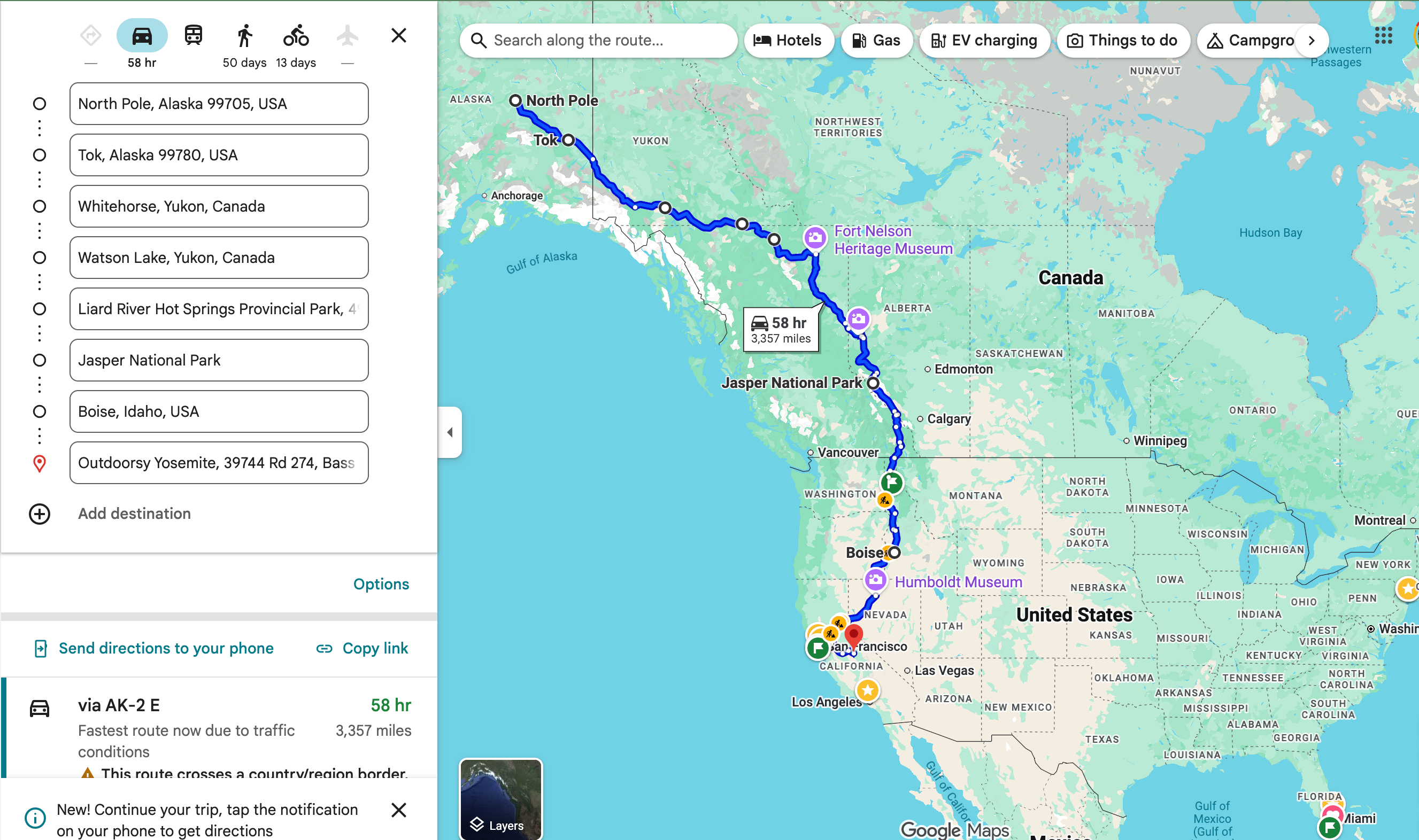
Fortunately for us, the plan was not to drive all the way back to Florida, but to reach the Outdoorsy campground just outside of Yosemite National Park, where we would move out of our Airstream, La Tortuga, and rent it out to glampers as we begin to travel internationally. So instead of 6,000 miles, we only had about 3,500 miles of driving on the way back down. This is a huge difference, nearly the distance of an entire cross-country road trip across the United States.
So yes, this was going to be our last trip as a family in our silver home on wheels for a while. And by the time we get La Tortuga back, there’s a chance the kids will probably have outgrown their cozy little beds. This added a dimension of appreciation for us toward this mode of living and led to greater contemplation about what it all means.
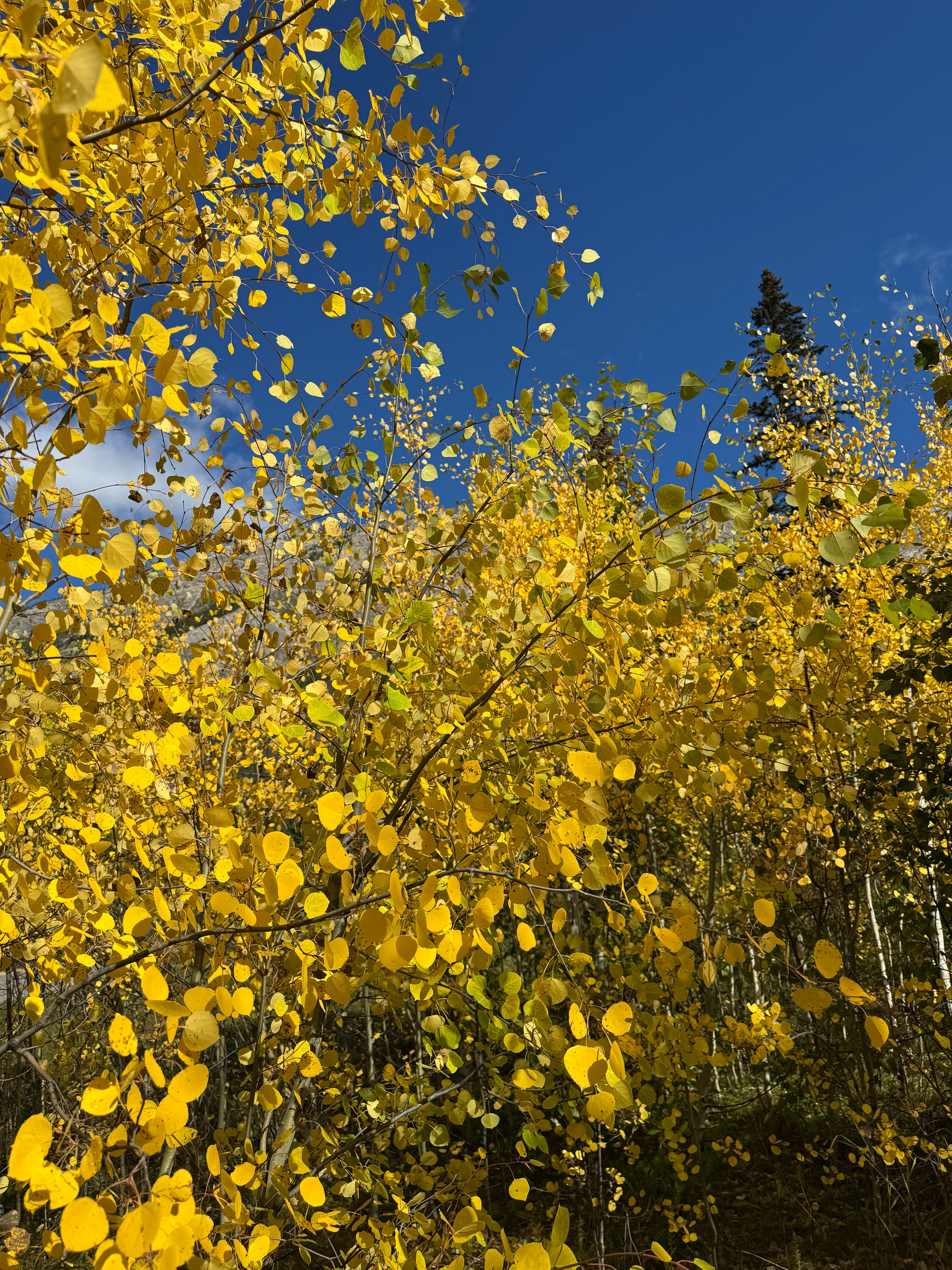
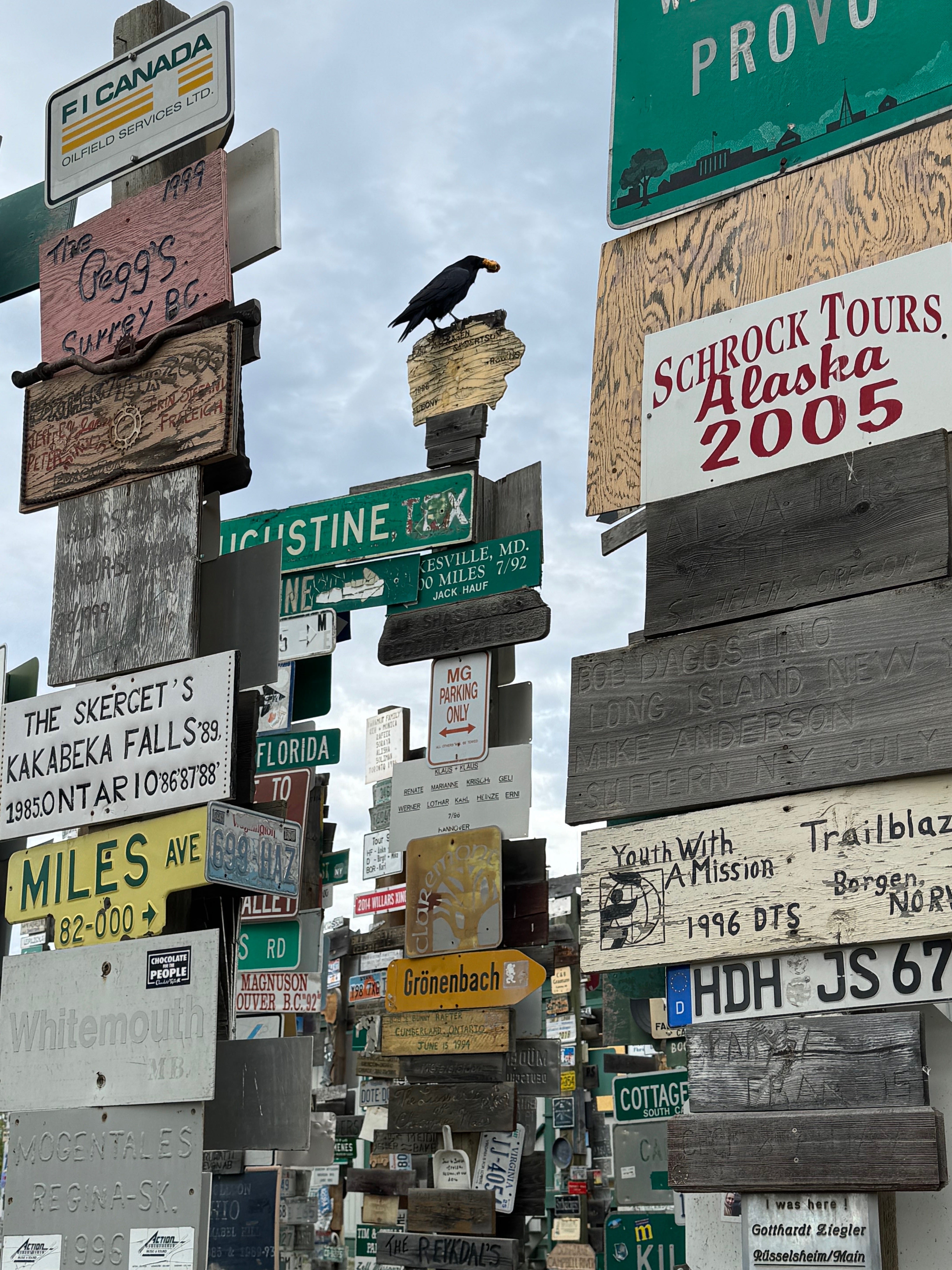
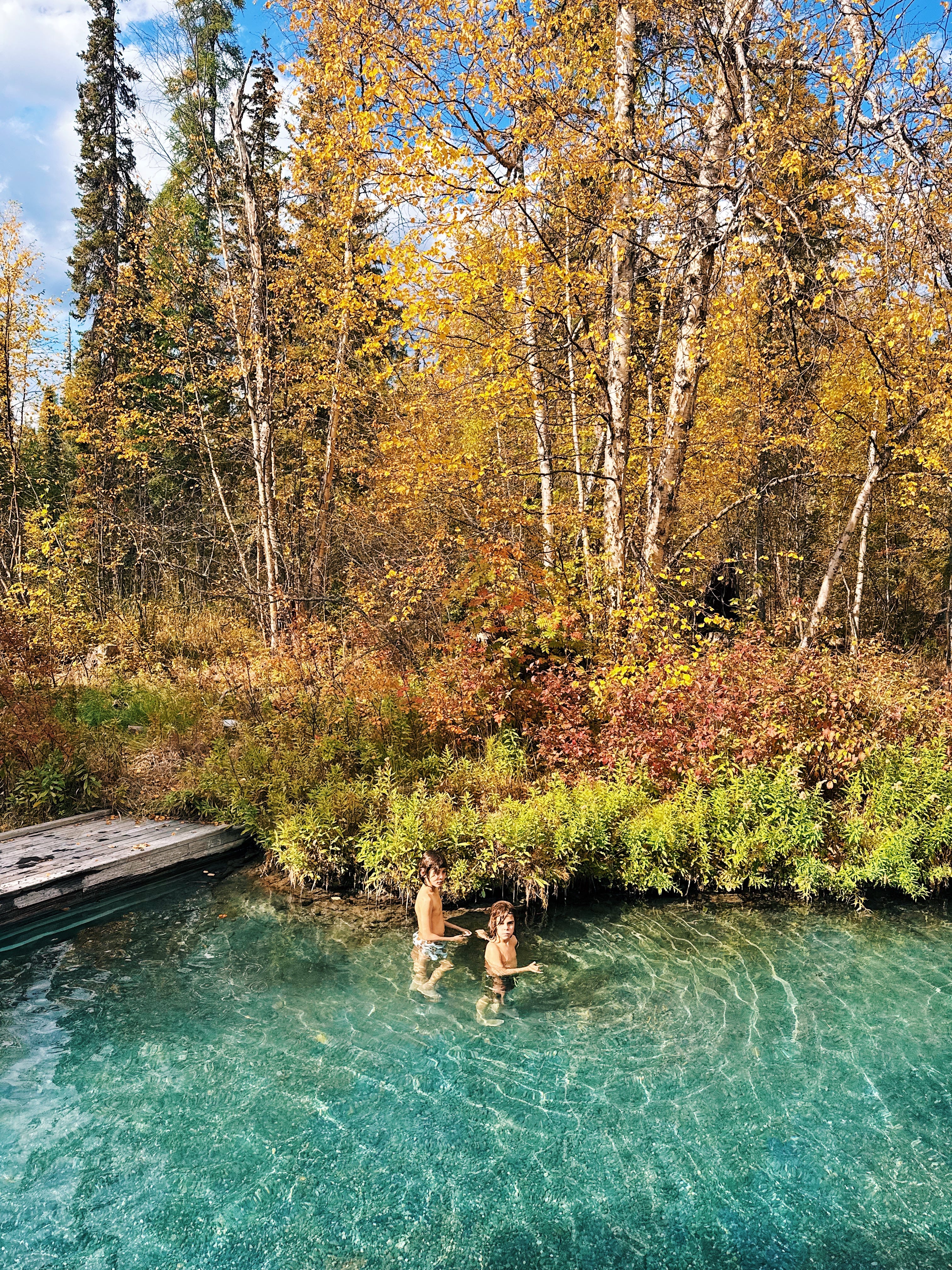
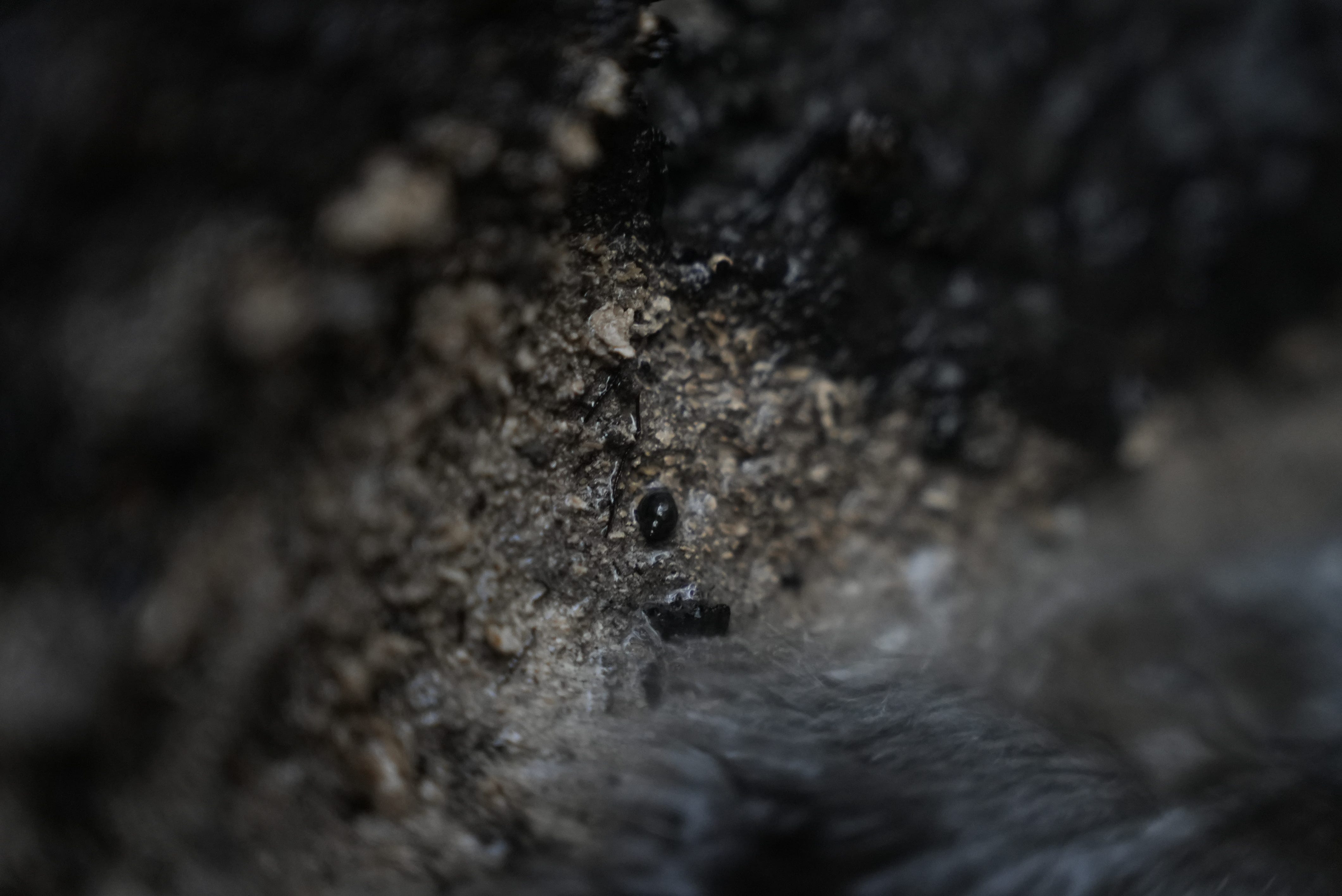
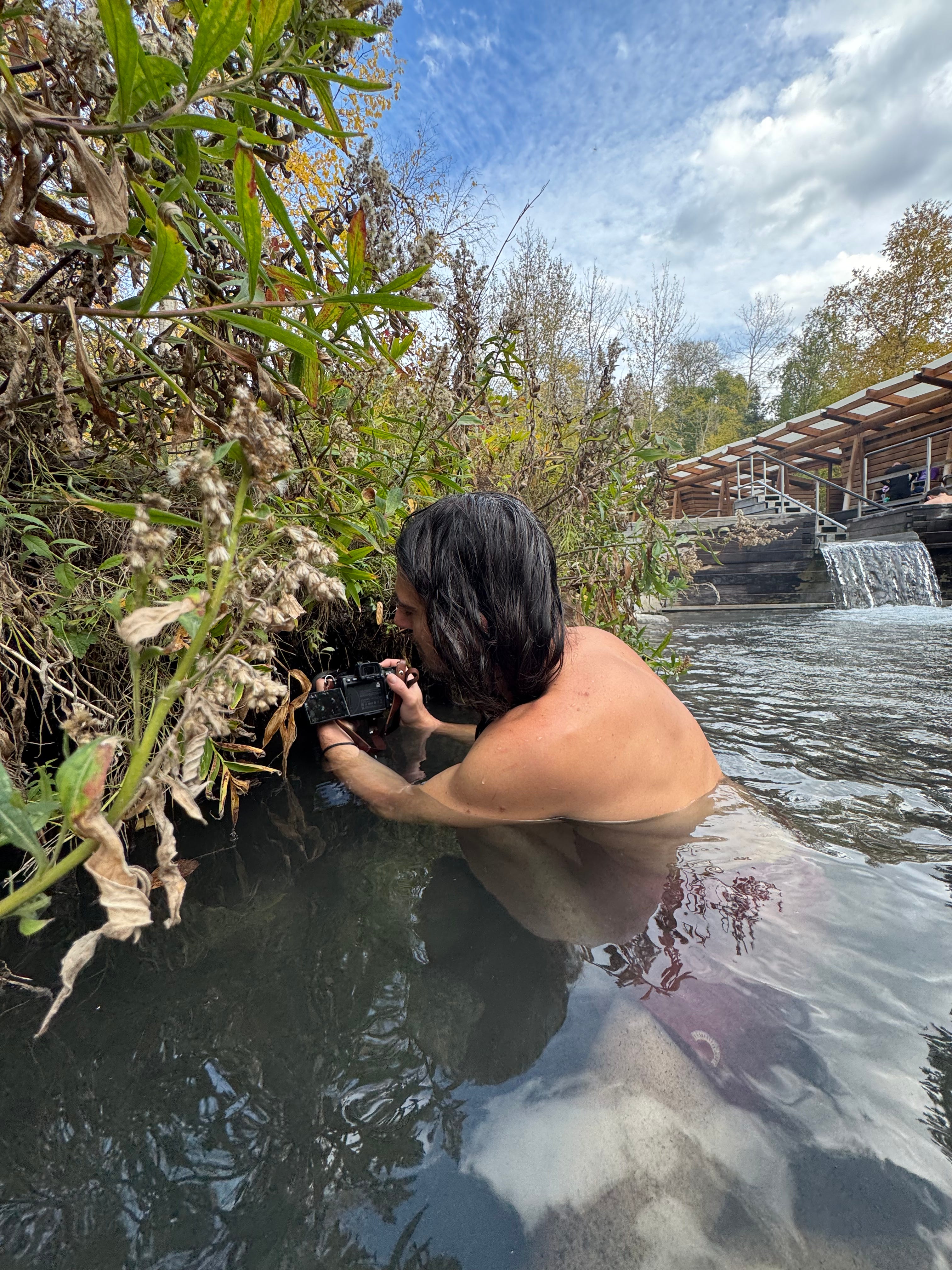
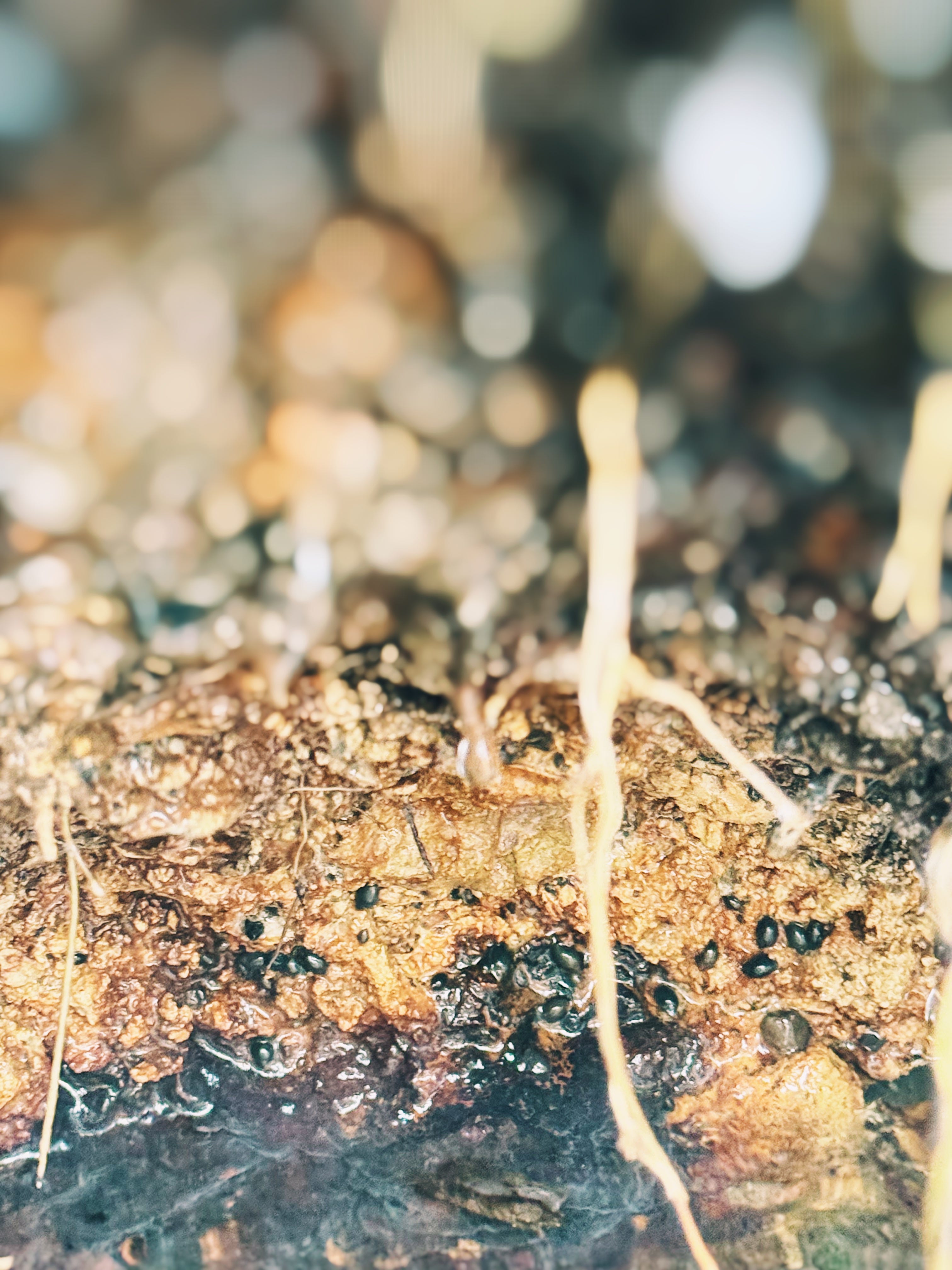
We learned a lot on the way up, and wanted to do things differently on the way back down. We decided to do the Alcan again rather than the allegedly more picturesque Stewart–Cassiar Highway (BC-37) because, at a certain point, we were no longer craving scenery but rather more connection and comfort. We had some things we got a taste of on the Alcan highway that we wanted more of, namely to create a family symbol to put up in the Signpost Forest in Watson Lake, to savor the perfect hand-pulled noodles we had from a food truck in Whitehorse, and to soak in Liard Hot Springs again. We also wanted to take better photos of the highly endangered freshwater snail that only lives there, called a Hot Water Physa, the 8th member of our creature catalog.
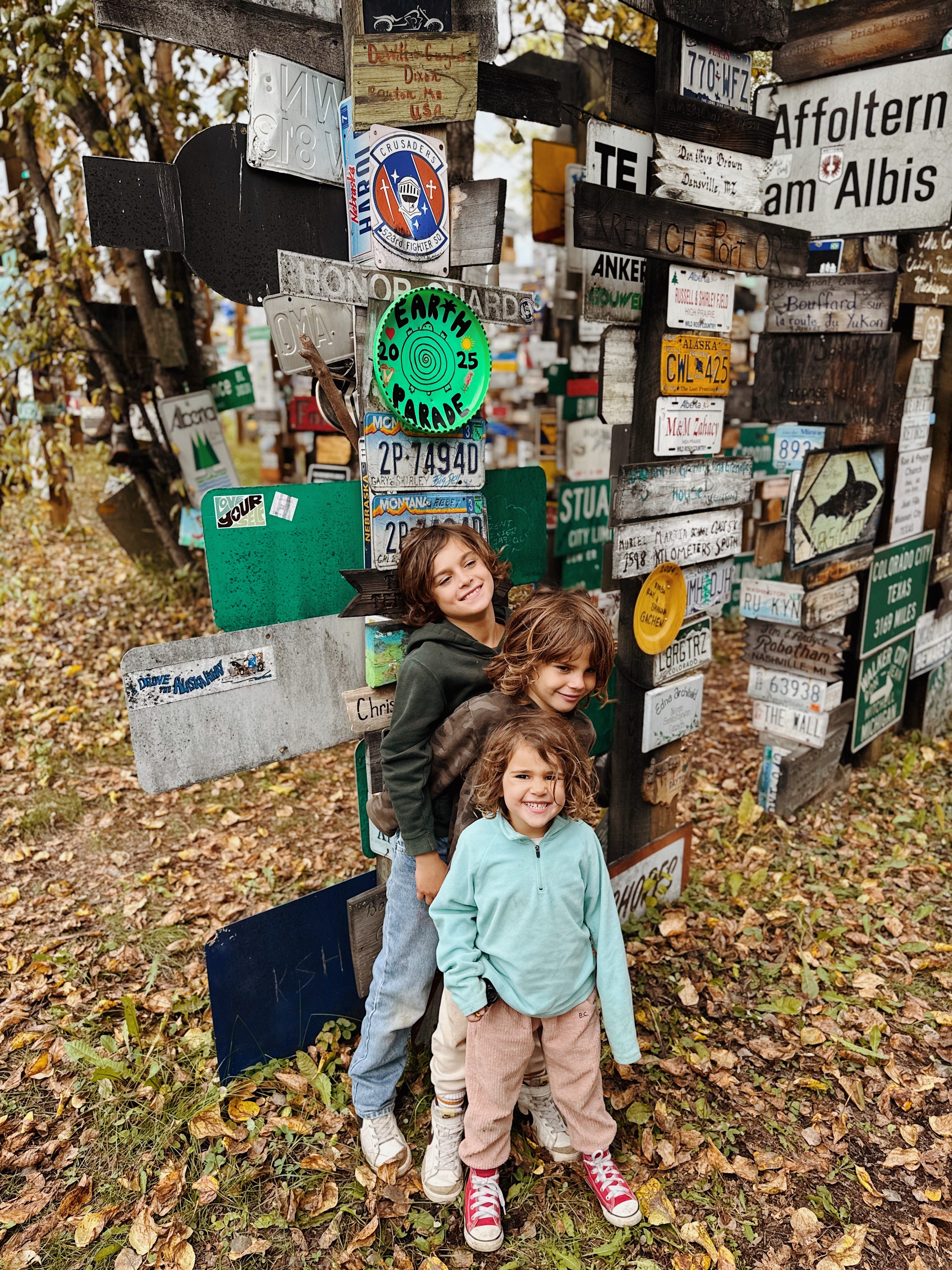
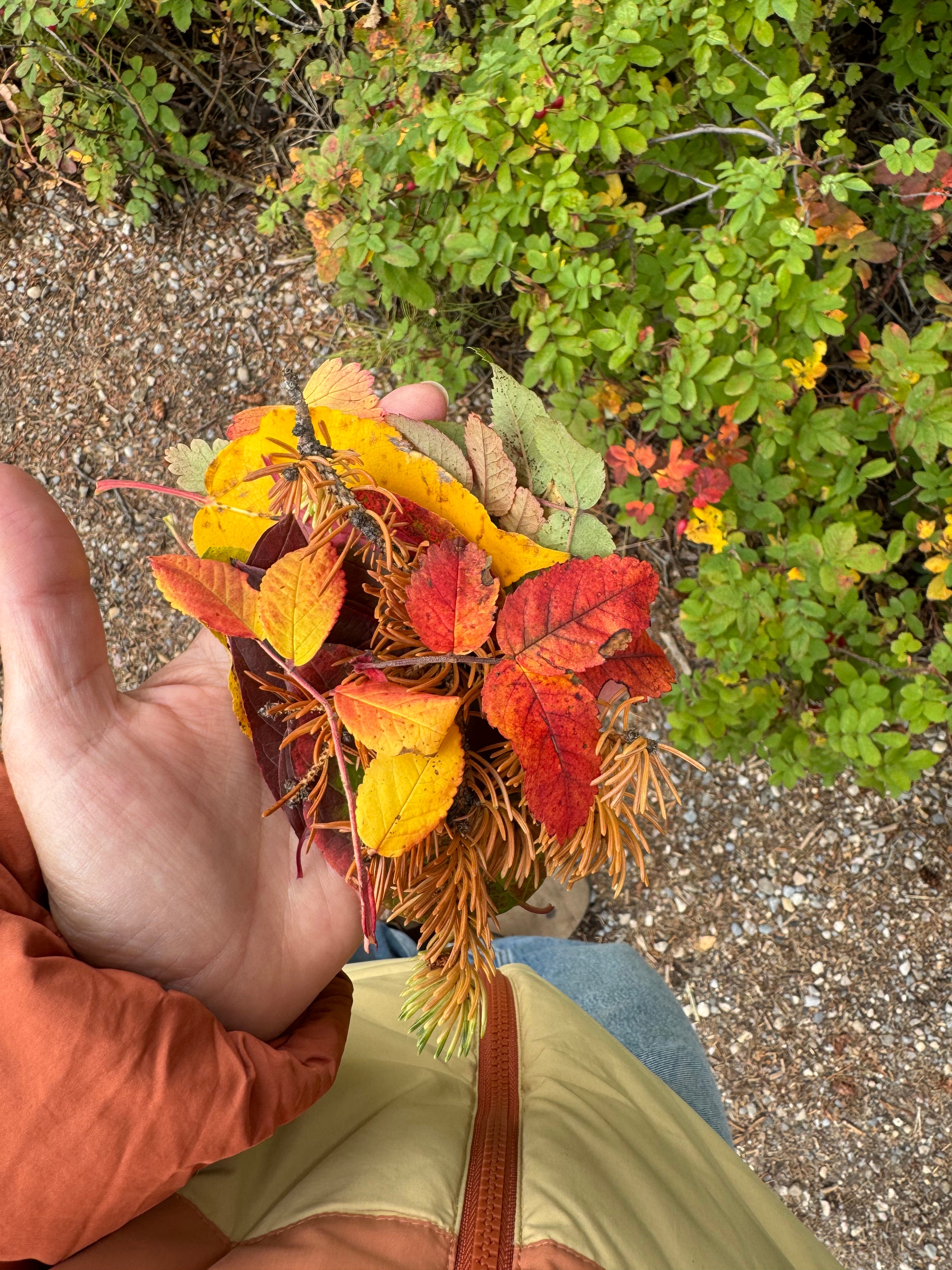
We felt lucky that driving back down, there was no hard deadline, except for the unrelenting cycles of Mother Nature, who decided to make the return leg scenic for us anyway, painting the boreal landscape an ombre of yellows, oranges, and reds as we hit peak Autumn up north in September.
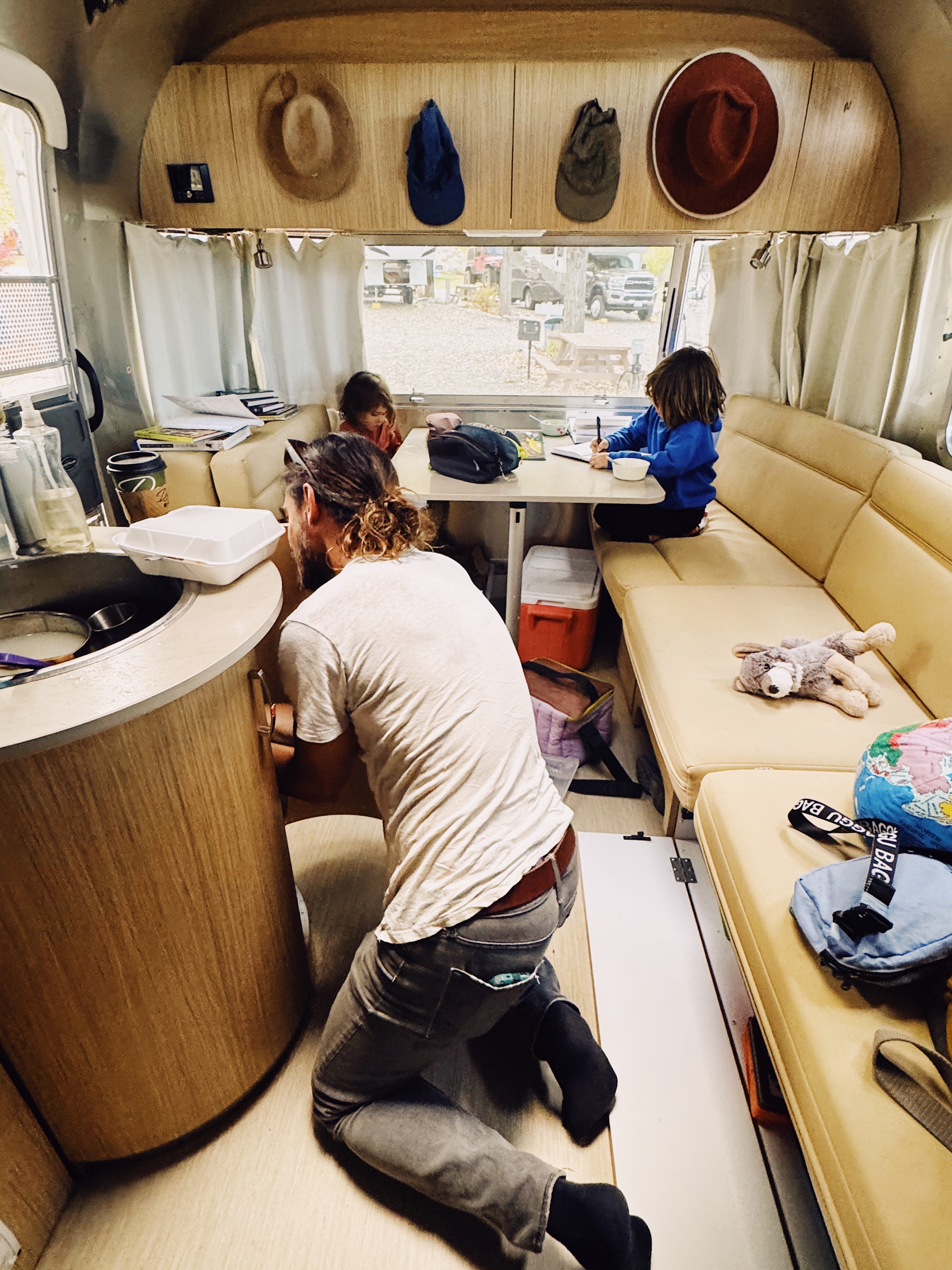
We left our most northern campground at Chena Hot Springs on September 4th, nearly hitting a large female moose who crossed the road suddenly. Luckily, I saw her and also saw the juvenile moose scampering across the road behind her, and managed to slow down in time to let them both pass. We drove to the northernmost KOA in the world in North Pole, Alaska, to seal the roof of the Airstream after a minor leak, fix the insulation on the door, and then last but not least, unclog a blocked black tank (probably the most anxiety-inducing issue one can have living in a trailer).
Thankfully, I managed to fix all the issues while Dana simultaneously made a killer minestrone and a new batch of fruit rolls. On September 7th, we left North Pole towards the border town of Tok, faces illuminated by the blazing sunlight, bouncing off the increasingly yellow fall foliage. We heard the tragic news of Charlie Kirk’s murder, just as we crossed the United States border checkpoint, entering a kind of no man’s land where you don’t reach Canadian customs for another 20 miles.
“How awful. I bet the killer was a young twenty-something white male,” I remember telling Dana, as I switched our car speed gauge from miles to kilometers.
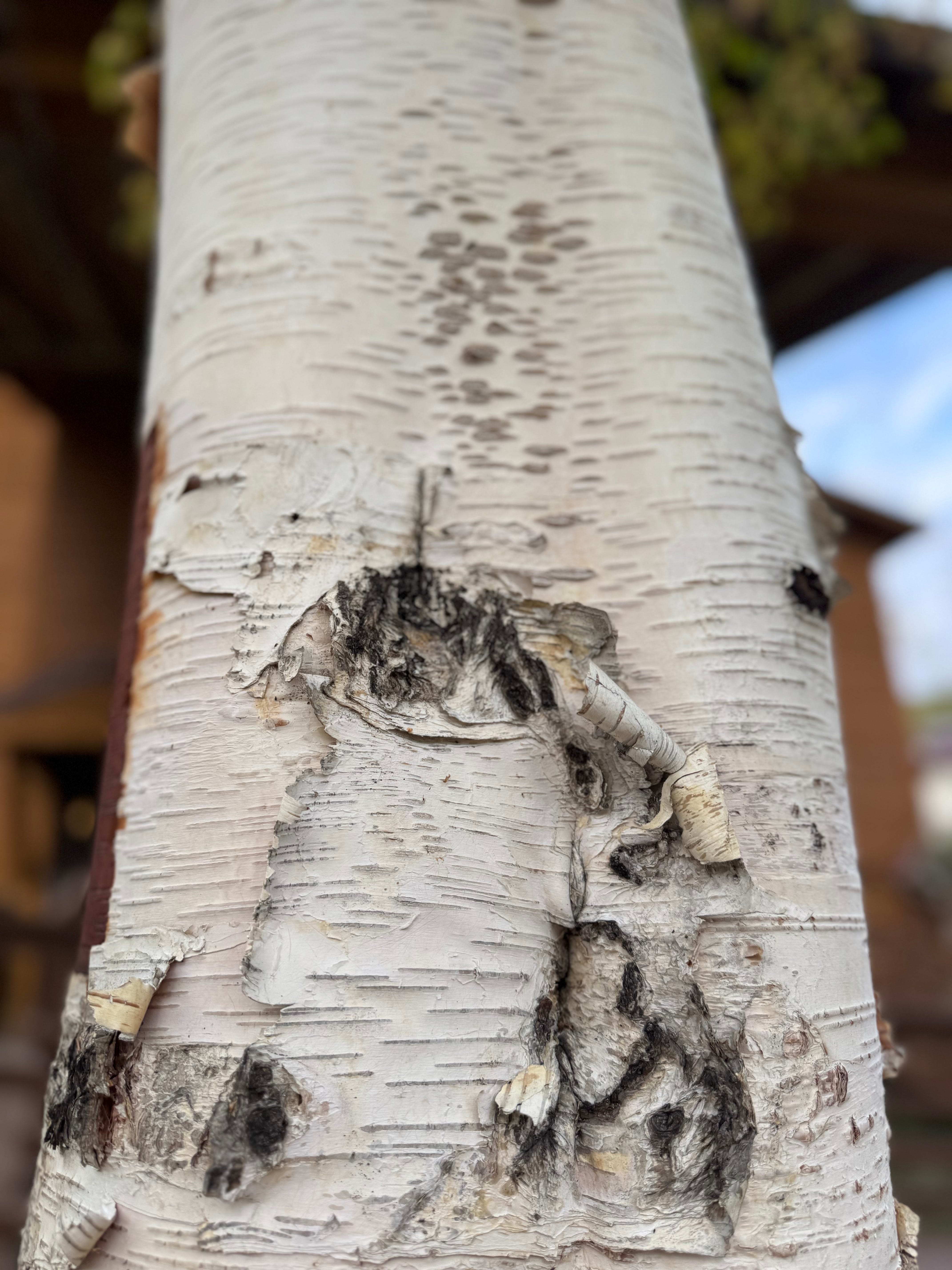
From our vantage point in the middle of nowhere, closer to the Arctic Circle than NYC, on lands that once belonged to the Upper Tanana Athabascan people, we felt so far from everything. The airstream in our rearview mirror felt like some kind of spaceship, allowing us to feel distant from American society, internet culture, and Earth, not quite in it. This kind of violence felt more abstract, foreign, and abnormal. We were in such a different place, physically and mentally, as we rolled down the highway, gazing at infinite cobalt skies, interrupted only by jagged granite peaks, with millions of eye-shaped birch trees that seemed to be watching us, or guiding us.
It was a place from which we could dream.
That is, until we hit the next pothole, or the iPad ran out of battery, or a moose ran out into the road. Fortunately, the latter event occurred only twice on the return leg, and I was able to stop before ramming the animals both times. Many people and moose are not so lucky.
We drove slowly, in true Tortuga style, to protect our chassis and our asses. We still had a semi-broken valve and cabinets from the potholes on the journey up. We really didn’t want to deal with any new issues that would increase our workload. And most importantly, we wanted to keep our family safe, be more present for one another, and see more wildlife, which you often miss if you’re zooming by.
Choosing to take this journey with our three young kids, like everything else in life, is a trade-off. We sacrificed just about everything we once took for granted in our personal lives. Working out, yoga, meditating, no way. Time to think, read, reflect, forget it. Deep writing, art, filmmaking, not a chance. The biggest thing to know in taking a trip like this is that your personal adult time flies out the window like an enormous Alaskan mosquito.
We spent many of our waking hours like monks in the service of a shiny, silver, rolling temple. Our kids are less monk, more monk-ey, to keep the analogy going. (In some particularly wild moments, I had flashbacks to the time I visited Monkey Temple in my 20s in India, where unruly monkeys will snatch any loose items you have in your possession.)
We learned to embrace our daily rites, understanding, somewhere in the recesses of our brains, that our physical exhaustion served some greater spiritual goal. Every day we had our inside tasks (mostly Dana’s job) which were namely to clean, sweep, swiff, turn the bed into a table in the morning, turn it back into a bed at night, cook every meal of the day plus prepare snacks, feed kids, brush teeth, wash tiny hands, prep them for online tutoring on Tuesday and Thursday, monitor them during classes, fold laundry, and remove any objects that can move as we careen down some country road as well as strap all cabinet doors shut.
And then there’s the outside work, usually my job, which is to hitch and unhitch, plug in the electric cable, fill up the water or connect the hose, dump the black tank, then dump the grey tank (never in reverse), if there’s time, flush the black tank, and, then critically wash hands profusely with soap. Unplug and transfer the Starlink to the truck, and then grab the kids, the snack pack, leftover coffee for the road, the kids’ bottles, and adult water. Finally, we ran through the checklist together. iPads? Check. Cameras? Yep. Chargers? Check. Heads on shoulders? Hello?
We repeated this exact routine nearly daily. Did I mention we also have three kids, each one with a rebellious streak of their own? Imagine trying to do all this while also attending to their needs. We actually came up with a potential new name for Earth Parade: Mega Extreme Parenting. On many days, it feels that way.
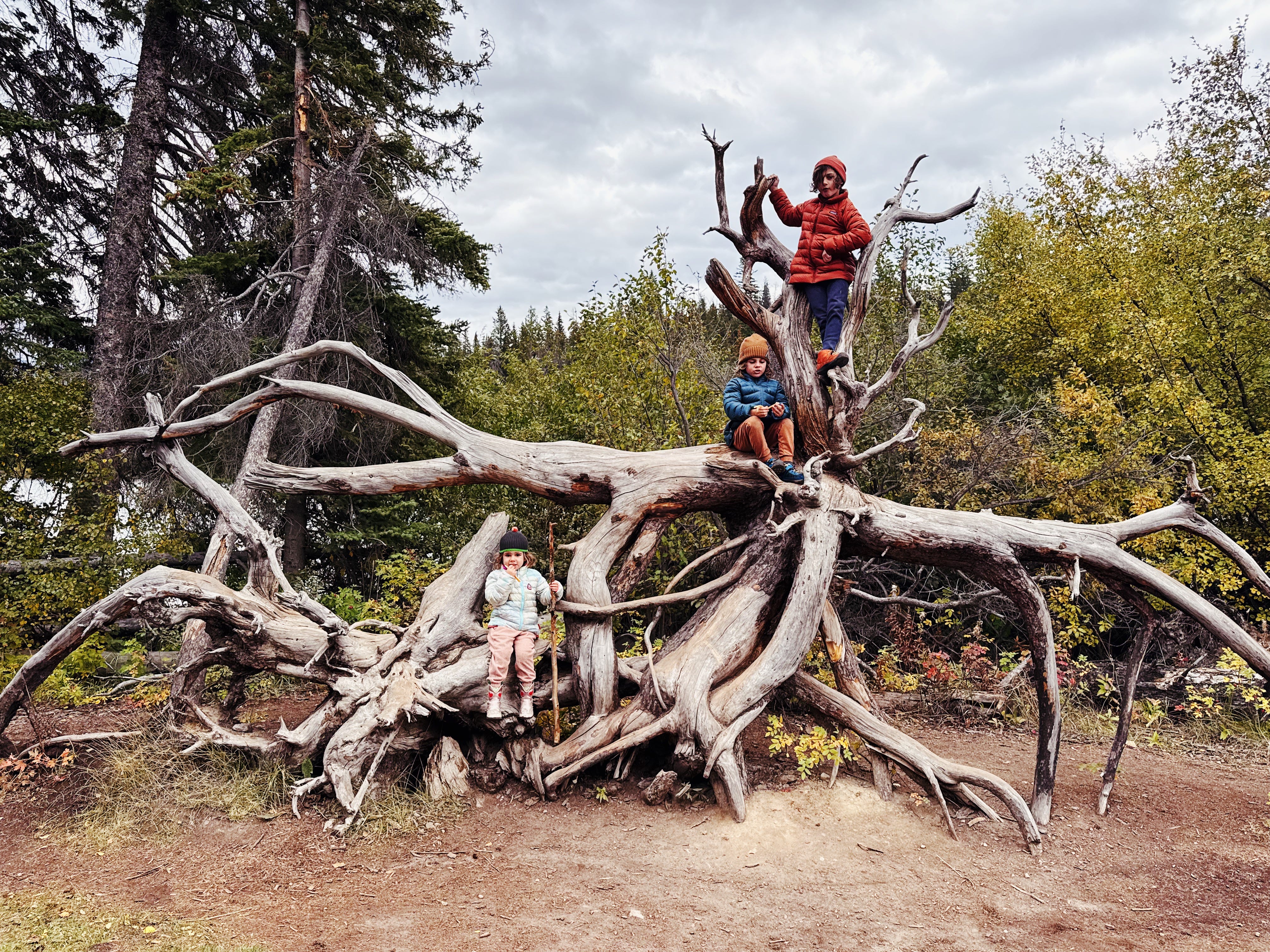
I thought that leaving a CEO job would mean fewer logistics, less subconscious churning over decisions, big and small. I was wrong. The logistical planning and operations for a family on a trip like this are endless. Thank goodness for Chat GPT and Google Maps. Our robot overlords probably thought we were a traveling rock band on a drug binge rather than a family on a wholesome quest to see endangered species. Sometimes, we were 4 hours into a drive when I would turn to Dana, partially clear my throat, and croak out the somewhat rhetorical question:
“Babe, where are we sleeping tonight”?
The usual answer was, “I don’t know.”
“Can you please ask ChatGPT for the nearest campgrounds? Any chance of hookups tonight?”
And by hookups, no, I am not talking about consensual adult activities; I’m referring to the least sexy things imaginable: power, water, and, unless you’re into this sort of thing, poopoo.
“Do we need full hookups or just electric tonight, babe?” I would repeat.
“Just get me electricity, please,” was her canned reply.
Should we cross into Canada tomorrow or the day after? Should we go back to the fantastic playground in Talkeetna? What are we going to feed the kids tonight? These were typical questions for my wife.
And then there were the questions for my ChatGPT. Which endangered species can be found near us in the Yukon? Organic grocery store in Whitehorse? Is this plant edible?
The main differences between this trip and our last big Airstream adventure back in 2020 were the kids being older and more numerous, Starlink, and AI. With Starlink, wherever we had power, we had internet. And wherever we had internet, we had AI, which I relied on heavily for planning and logistics.
Besides the ecological challenges we face as a society to produce the energy the tech titans need to compete in their battle for AI supremacy, what saddened me most about this new way of travelling was the understanding that a world increasingly dominated by AI will lead to less and less human communication. We did chat with plenty of locals, but on travel days when we needed to get from point A to point B, the intelligence from unknown locals was far less reliable than the device in our pocket. As a traveller who once backpacked the world before these genius phones, I know that short conversations with strangers, seemingly mundane, can add meaning to one’s day-to-day existence and often lead to great adventures.
“Babe, seriously, it’s getting late. Where are we sleeping tonight?”
On the way back, as we entered the Fall season, answering this question became even harder. So many campgrounds were officially open but in reality closed, which meant 3-4 hour drives turned into longer ones. I remember one in the Yukon. Night was creeping in, it was getting colder, and we still didn’t have a place to sleep. The campground we hoped to go to on Kluane Lake was gated and shut down for the season, so we kept driving to the next campground, which, of course, was full. The kids were so manic at this point that we just had to stop, run them around a bit, and we happened to find one of our favorite playgrounds, mainly because of the zip line. We parked our Tortuga right next to it. Dana whipped up her famous, most delicious red-sauced pasta in about 20 minutes. The sunset was pink and gothic and glorious, making the clouds look like cotton candy. We ate a meal like normal humans around a table. We had Canadian Kit Kat for dessert, and jumped back in the truck in search of a place to sleep. These “night adventures” turned out to be some of our most memorable experiences. It was exciting for the kids, who got to stay up late. Plus, you are driving at dusk, when animals tend to be on the move.
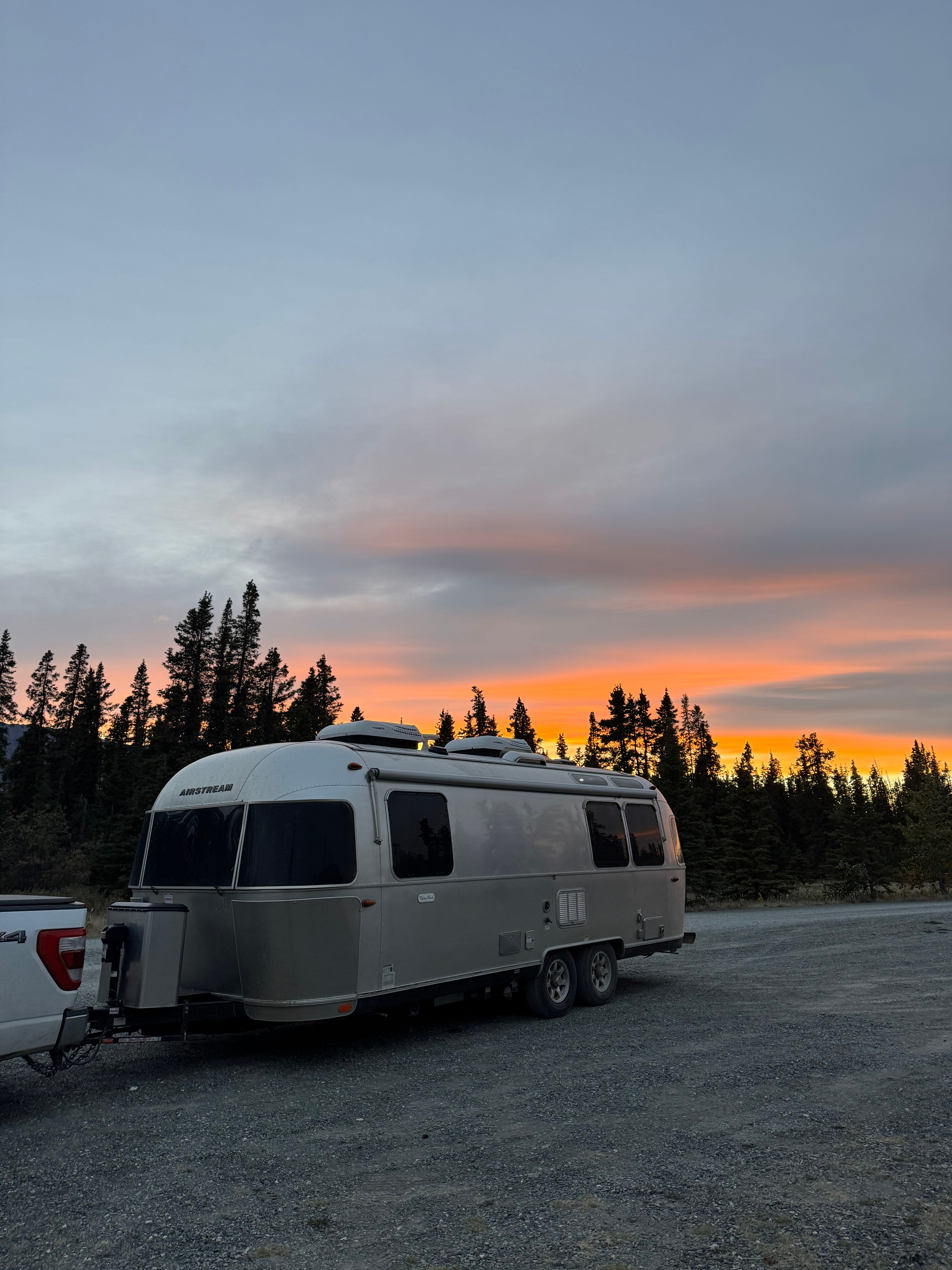
For us parents, the long road days were the hardest ones. The kids have so much energy that being in the truck for many hours of the day is not conducive to falling asleep later. Thus, we tried to limit ourselves to no more than 3 hours on the road whenever possible. And every 3 or 4 days, take a full day off from driving. These were usually the best days.
Did I mention the word “tradeoff” earlier? Thank you, patient reader, for staying with us.
On the flip side of the operational oppression and physical exhaustion that comes built into an open-ended journey with kids lies a kind of freedom and beauty that I’ve never felt as a father. Being with my family, safe and sound, under one small roof, living with just what we need (plus at least 50 lovies, stuffies, or whatever you call them), and exploring the natural world together felt like the sweetest blessing of my entire life.
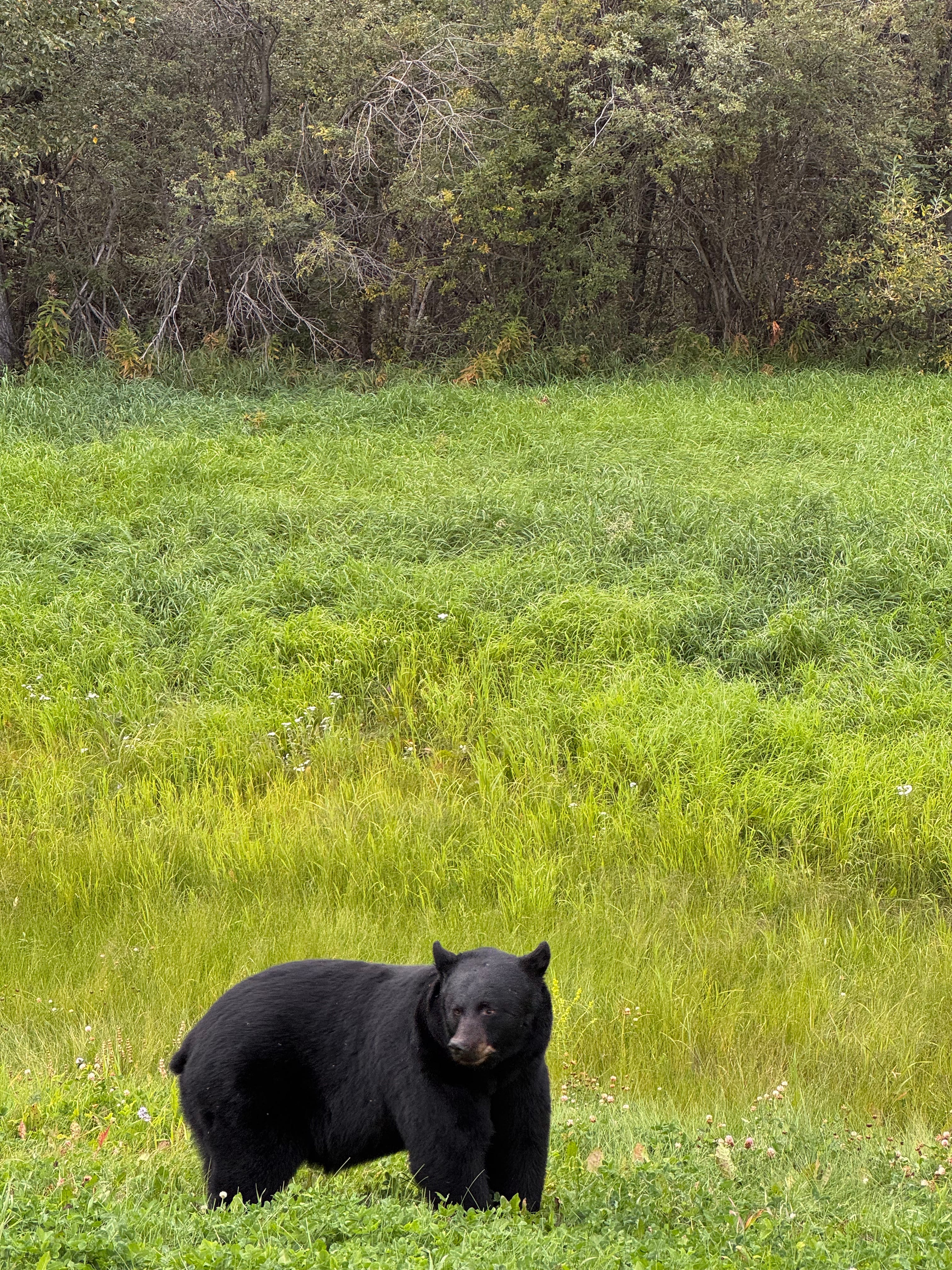
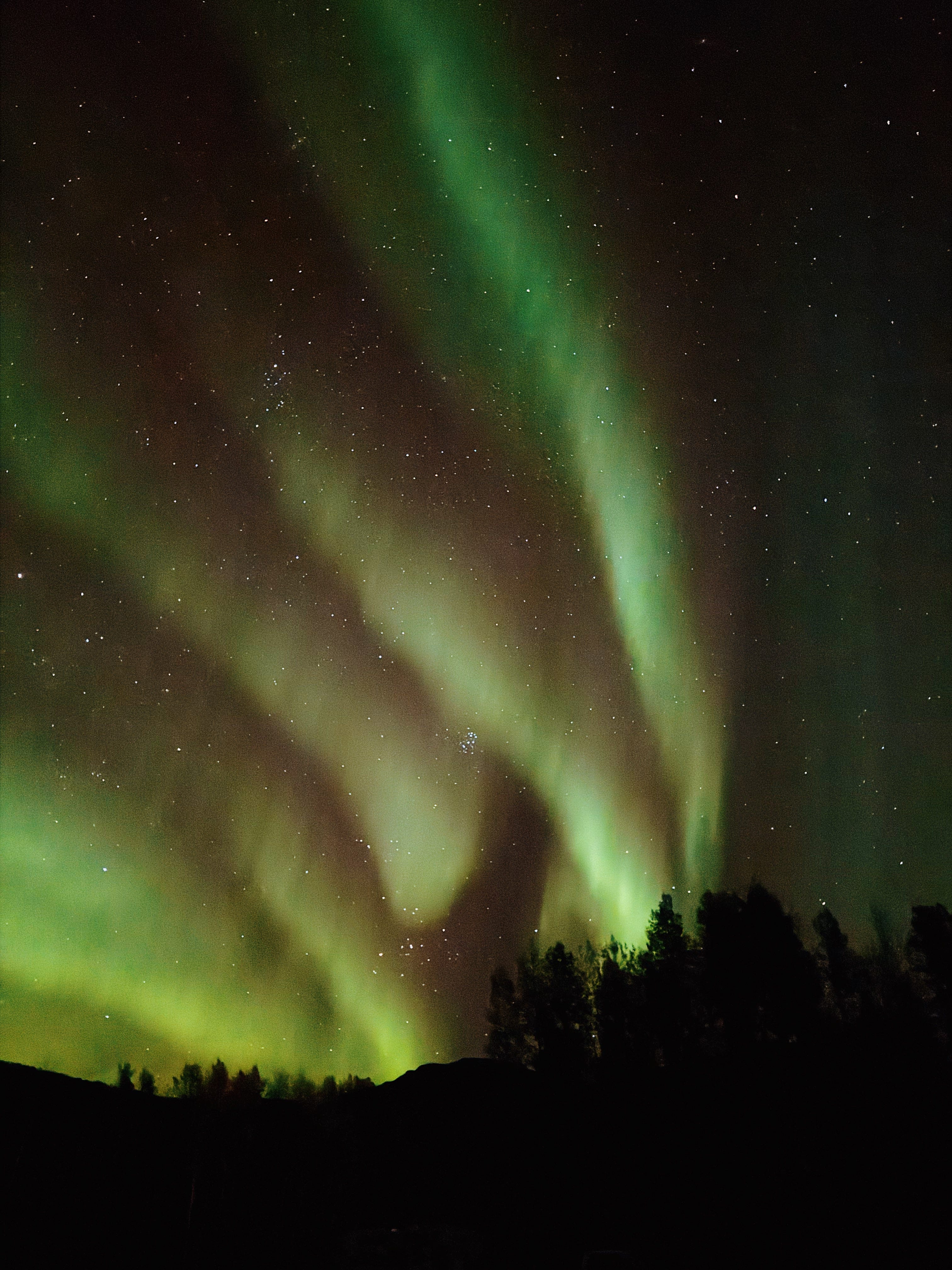
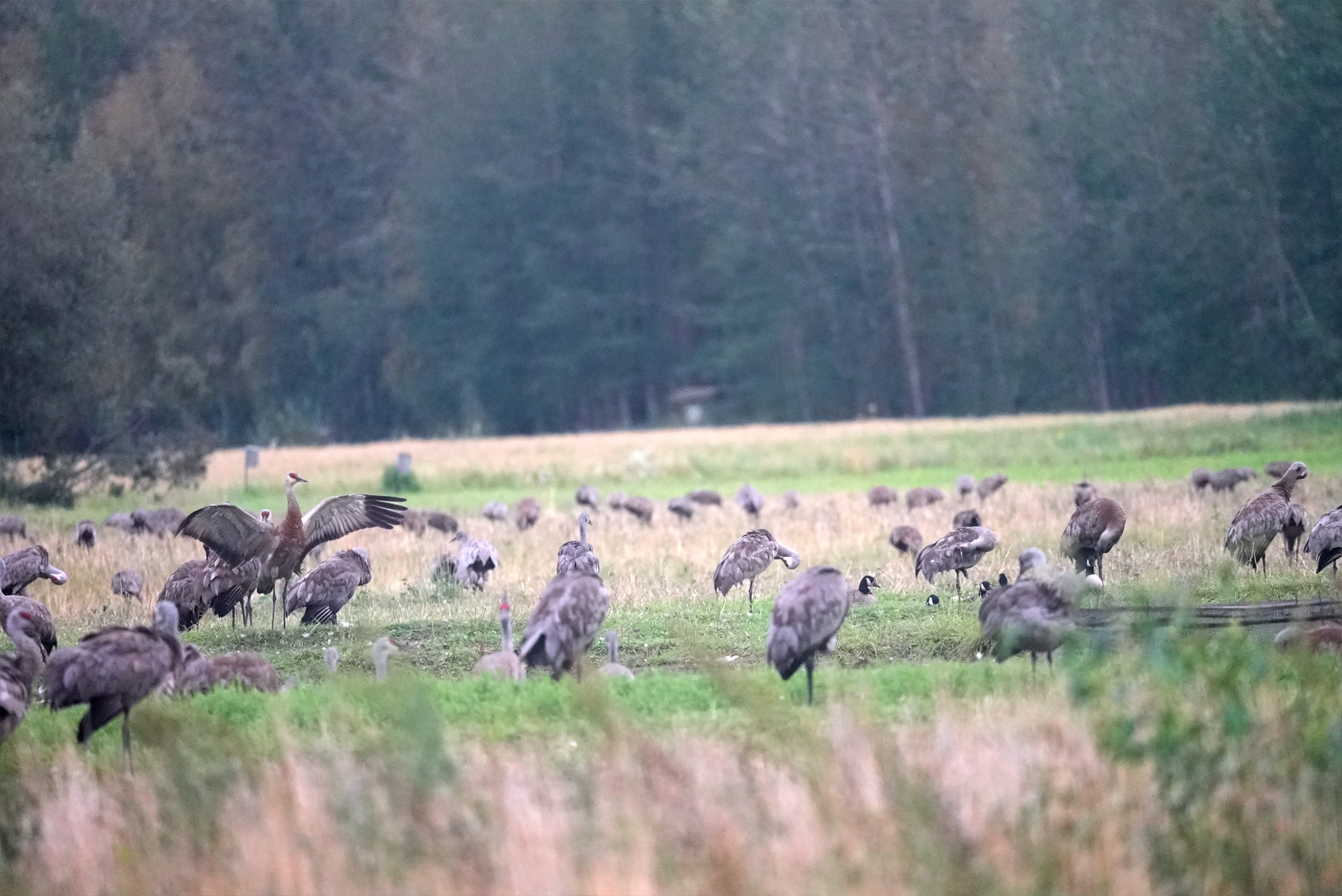
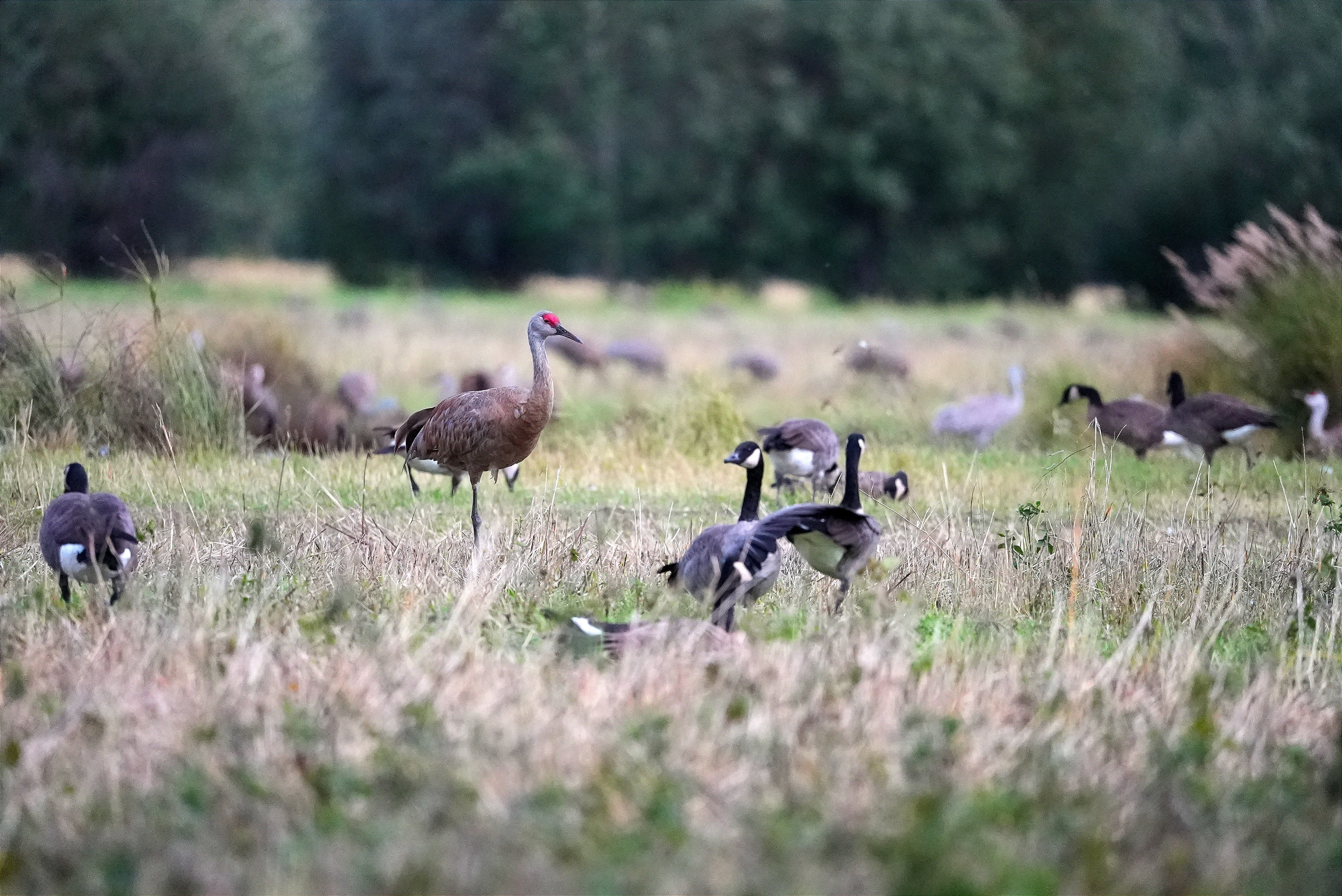
There was this sense of exhilaration in knowing that, no matter how much you plan, life will unfold as it does. Unplanned detours will happen, both positive and negative. Just outside Fairbanks, we got to see a massive flock of sandhill cranes fattening up, chatting up a storm, and doing their dance routines as they got ready to fly south. We decided to spend the entire day with them, going to the small visitors center at this Creamer Field Wildlife refuge and buying our kids a rare sandhill crane colt lovie they will treasure for a long time. Or that time we stopped driving in the Yukon to observe several groups of black bears feeding on the side of the road, so close we could hear them chewing the roots they were finding and munching on. And that extra night we spent at Liard Hot Springs to photograph the Hot Water Physa (Physella wrighti) led us to see the Northern Lights from a perfect location, in the middle of nowhere, with no light pollution. This experience was one of the most incredible moments of our lives.
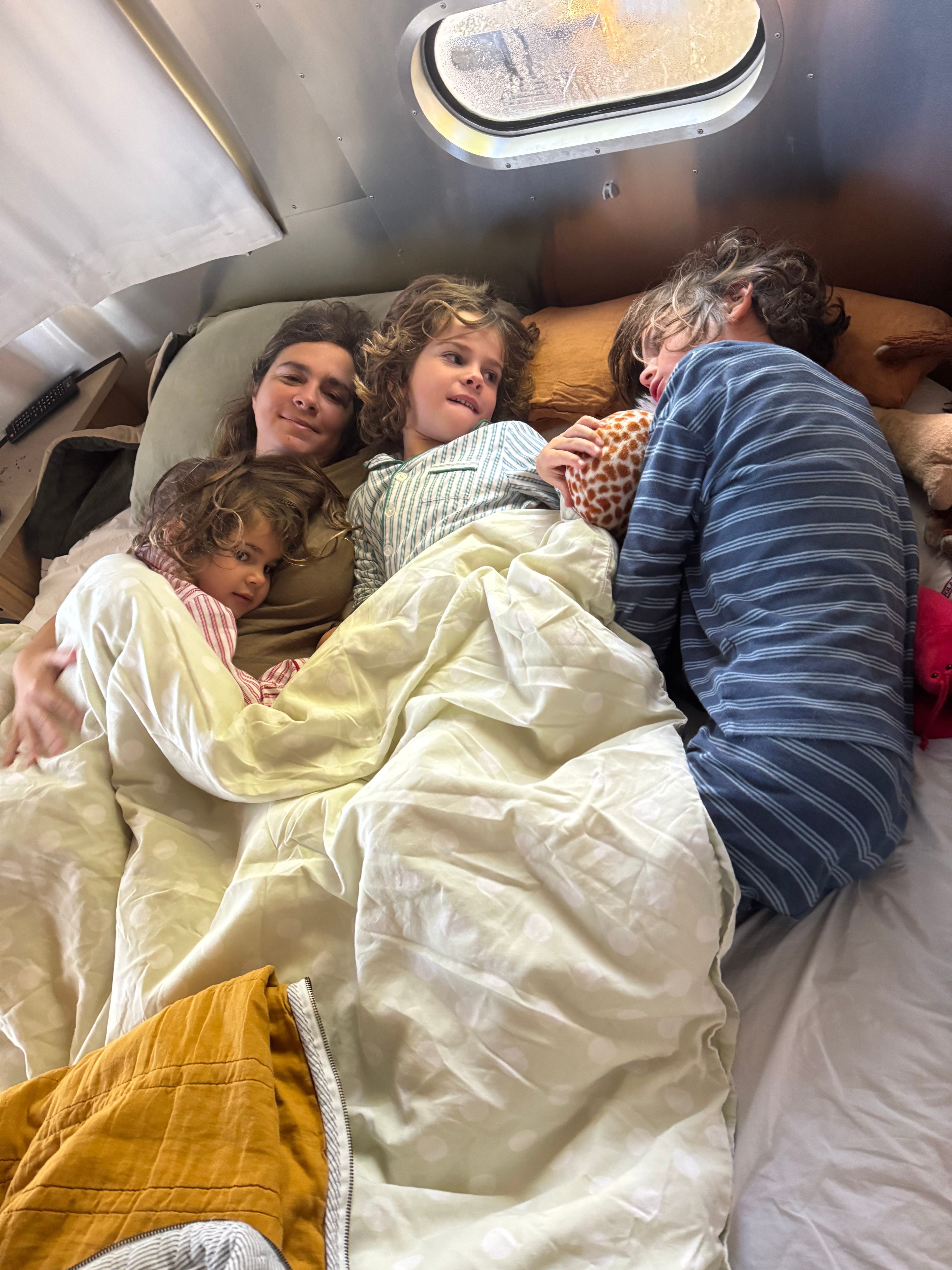
So, to answer that nagging daily question above, where we slept never really mattered. Wherever we are on the map, if we are inside La Tortuga, we are our home. When we close that heavy silver door with our kids safely inside, some pasta sauce cooking, and do our nightly routine, we feel safe and cozy. The days typically end in warm, fuzzy feelings, priceless stories, and smiles on lips before we close our eyes and fall into a deep, hard-earned sleep. And because we didn’t have to rush the kids off to school the next day, we pretty much got to enjoy morning cuddles every single morning. The only thing that really changed for us was our view when we woke up, and if we arrived after dark the previous night, it was always fun to lift the shade and reveal where we were. The view ranged from mountains, prairies, and forests one day to public park bathrooms, gas stations, or trash dumpsters the next. And the truth is, it didn’t matter a whole lot, because we’d likely be driving away again later that day.
Driving days also had their positive aspects. On some days, typically during a longer drive when we let the kids watch a movie, Dana and I could have actual adult conversations.
We spoke about pretty much everything. We imagined places to live, and dreamed of how many dogs we would have if we ever stopped travelling. Can we have a St. Bernard if we live in Miami? Nahhh, the poor dog will suffer in the heat.
We laughed. We cursed like sailors (Ok, mainly I did). We listened to a few podcasts. We came up with many, many new business ideas. (Hopefully, some updates on that soon.) We shared our learning. We said our greatest fears and dreams out loud. We grew closer. Every minute of this trip, except when we were sleeping, was a test of our own communication and teamwork, so these conversations were critical. 13 years after our wedding, the journey clarified that my greatest stroke of luck is having her as a partner.
Eventually, we came to realize we are on so much more than a physical journey, but also a meta-journey as a family and as individuals. We towed La Tortuga, but after a while, it felt like she was towing us to places we call the “in betweens.” The lands that are far from airports are less traveled by humans and more traveled by wildlife. The environments and destinations you may have never heard of, but then surprise you and leave a mark on your heart until the end of your days.
And it dawned on us that this mode of travelling is actually a parable for our lives right now.
We are “in between” in almost every way. We are now in middle-aged years, somewhere “in between” youth and old age. We are no longer raising toddlers, but not yet raising teenagers. We are “in between” companies and careers. We are likely “in between” places to live. And as tricky as it’s been mentally to grapple with all these massive changes, as scary as it was to make the series of decisions that got us here, it’s becoming clearer and clearer that this voyage was the teacher we needed right now.
This is why, on the way back, we made a conscious, intentional decision to be more absent from the internet and social media, and more present for every second of this journey. This wasn’t from some preachy, holier-than-thou perch of parenting wisdom. It honestly felt like a necessary thing to keep our kids and ourselves safe, and to keep us adults somewhat sane.
We needed to devote any precious seconds of uninterrupted thought to process and reflect on all these intense experiences, and if we were fortunate, imagine what our future could look like.
We still took the photos and videos, but instead of rushing to share, we archived the footage, and as a result, relished our memories in a different, more personal way, the way we used to. Late at night or very early in the morning, I tried to journal, jotting down moments or experiences from the day. But usually, we just conked out while trying to get the kids to sleep, and any waking hours before the kids woke were spent savoring the silence and stillness.
And maybe this doesn’t need to be said, but I’ll say it anyway. All human beings these days are subconsciously grappling with the battle for our attention. We are constantly moving “in between” the physical and virtual worlds, continually toggling between the two, picking up and putting down our phones, thinking about our next post while also trying to live in the moment.
Nobody should have to apologize or feel bad for not being online. Being offline was critical for our family as we focused on ourselves and our needs. What is the price of an hour of sleep when your body feels destroyed? What is the price of being present with your child while they’re still young? Giving them the gift of your undivided attention when they really need it? We will never get these real-life moments back. We love you guys, but why would we trade a potentially beautiful real-life moment with our kids for a few extra Instagram followers or Substack dollars?
This trade-off didn’t make sense to us at the time.
For anyone struggling or needing a break from this highly unnatural digital world, I highly recommend taking virtual sabbaticals whenever possible. And now, as we return to the digital world, we feel we can be more purposeful about the stories and learning we choose to share.
Thank God our kids are doing well. We are so proud of our little road warriors, whose lives were upended for this adventure into the unknown. They soak up so much from each day, particularly any facts or tidbits about wildlife. We’ve found that art and drawing are excellent outlets for them to process all their experiences. They are also physically growing before our eyes—the shoes we brought at the beginning of the trip no longer fit. They are doing well in their online tutoring, too. We use an app called Outschool through which we’ve found some amazing teachers who are teaching the boys math and reading. The biggest challenge is that they are missing their friends and family. Vivi is probably missing real school the most, since the social component is so strong for younger children.
Was it all worth it? I believe so.
Are we continuing? For sure.
For all the hard work and challenges of this North American voyage, we’ve all learned a kind of resilience we didn’t know we had. We saw 8 out of 73 threatened species. Only 65 to go! We all grew in ways that we didn’t expect and have gotten closer as a family.
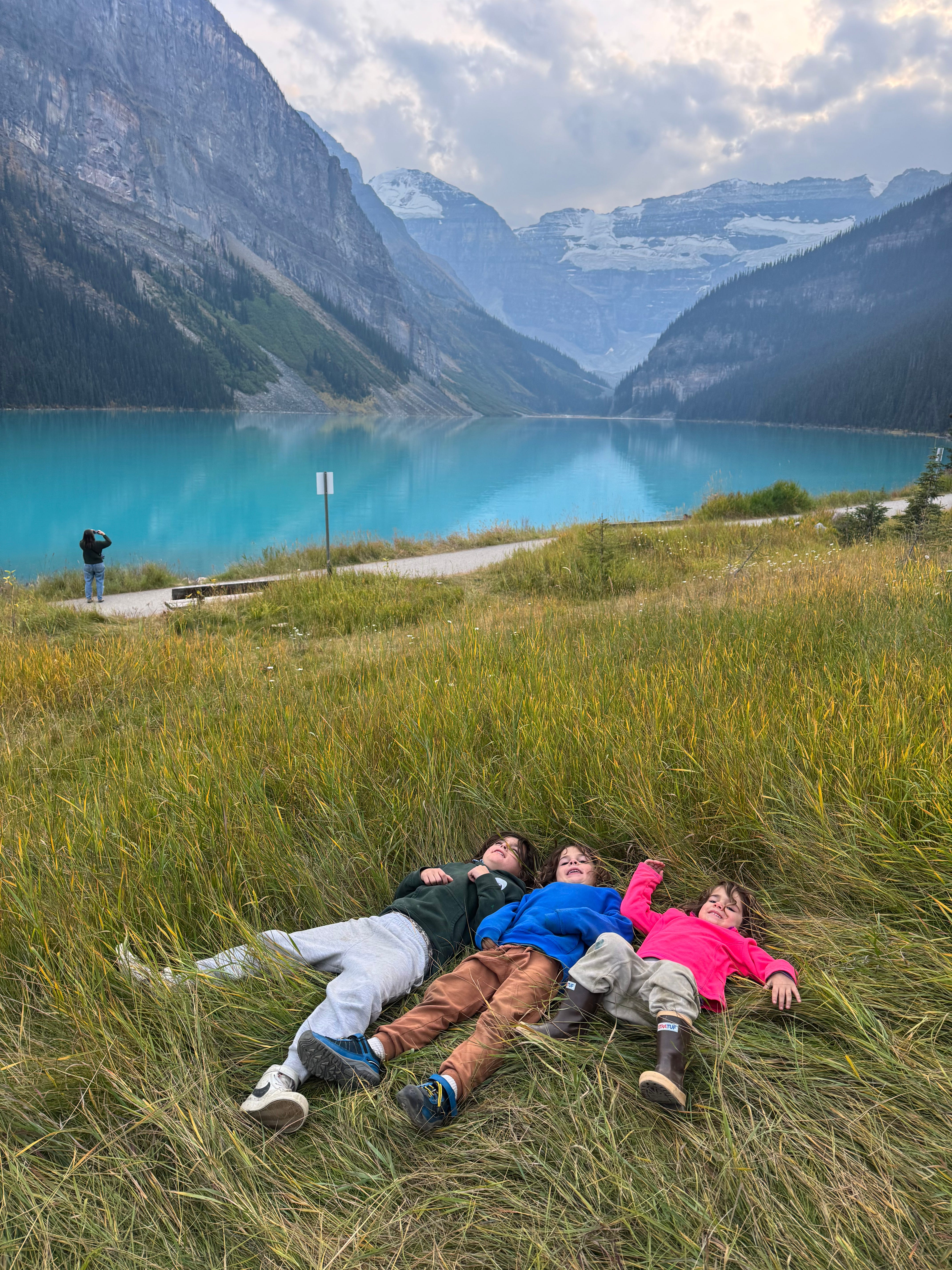
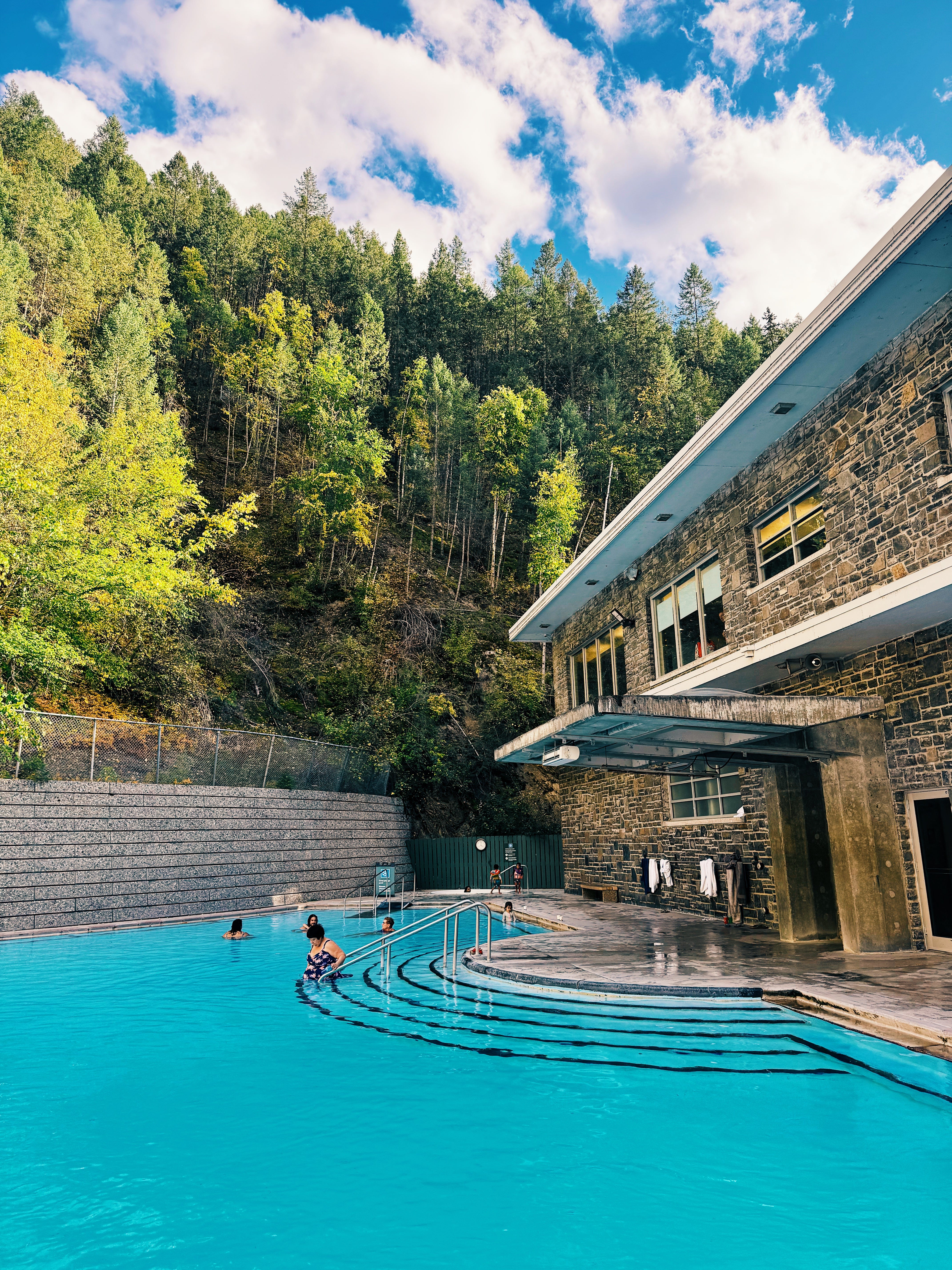
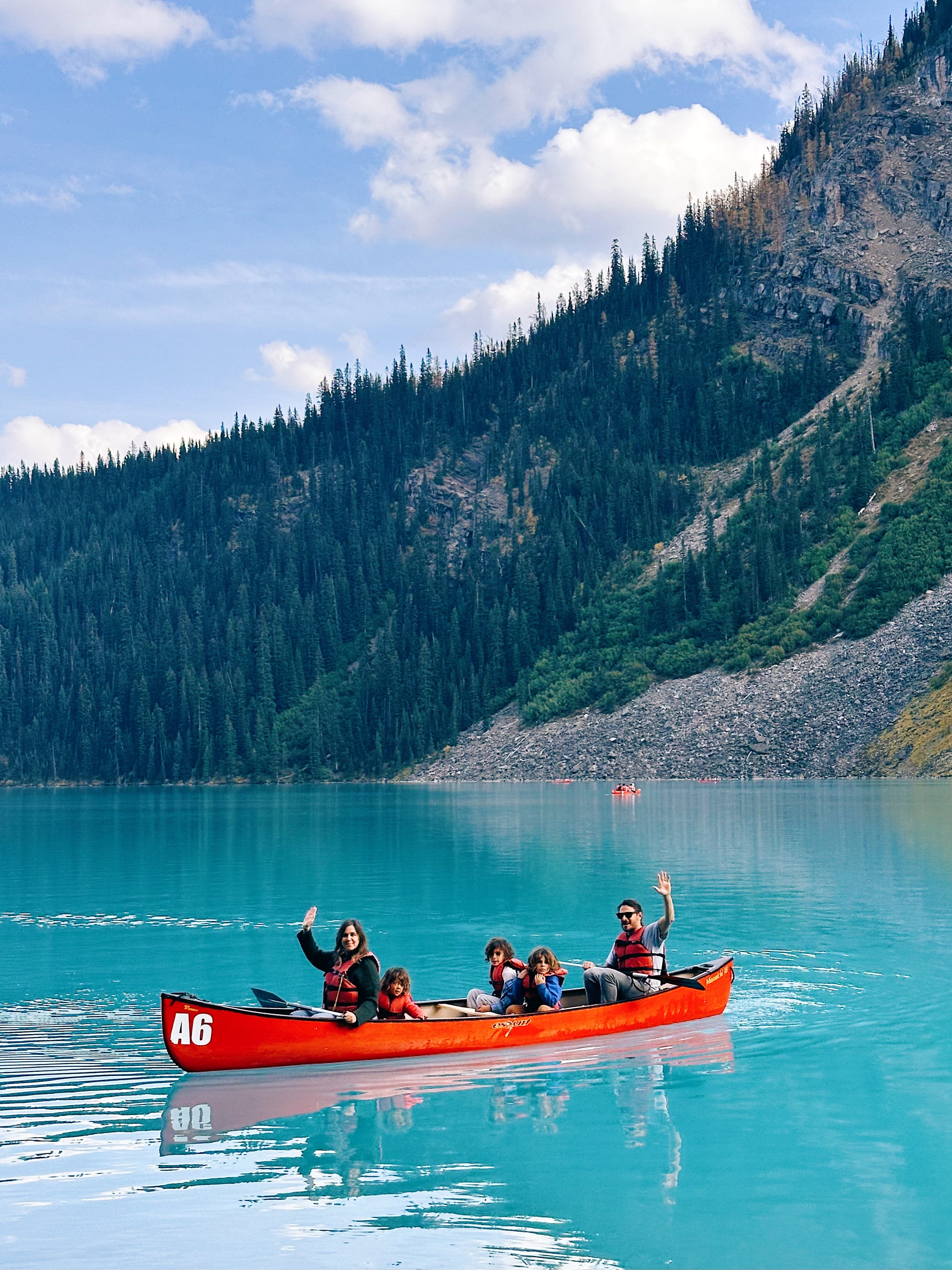
The reward at the end of this voyage was so sweet. After canoeing in the turquoise waters of Lake Louise in the Canadian Rockies, hot springing and hiking as much as we could, we beelined to Boise to see some dear friends and repair the Airstream. Since they had older kids who could babysit, we had our first date night in 4 months! Our kids were so happy to be in a house with a dog; it made us emotional and really look forward to having one, or sixteen, of our own.
And then for the grand finale, we got to go back to the state where our boys were born, California. We couldn't wait to visit SF for the first time since we drove out of a locked-down city during the pandemic, towing our Airstream for the first time.
There is no better way to enter California than from the East. We left our dear friend’s home in Idaho, traversing the vast, barren Blackrock Desert of Nevada, which felt like a much-needed palate cleanser for our minds. After so much stimulation, it felt so refreshing to gaze upon an empty expanse. We found a campsite in the only bastion of civilization here, in a town called Winnemucca. The next morning, we ate pancakes at a local diner called the Griddle and kept driving.
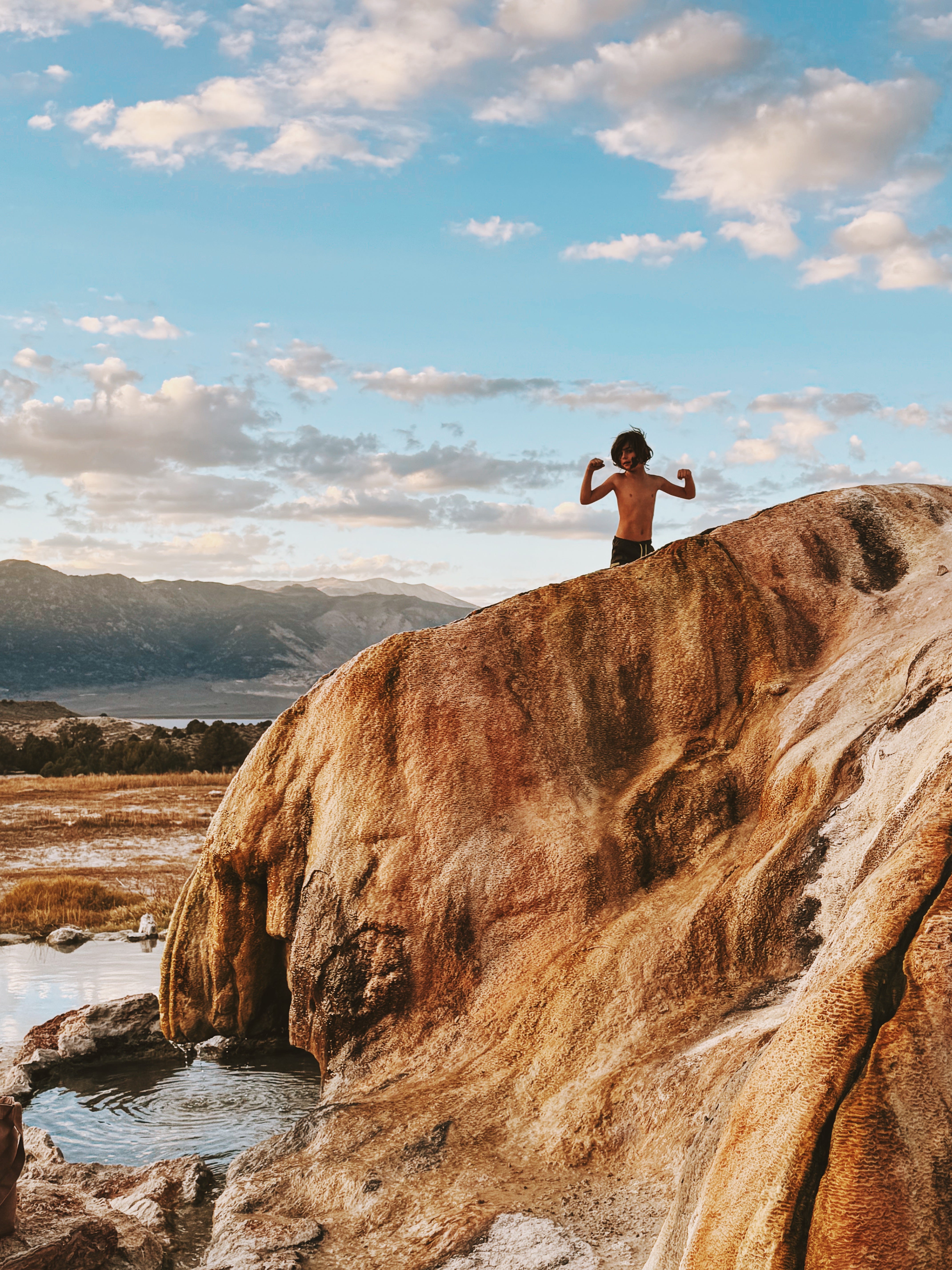
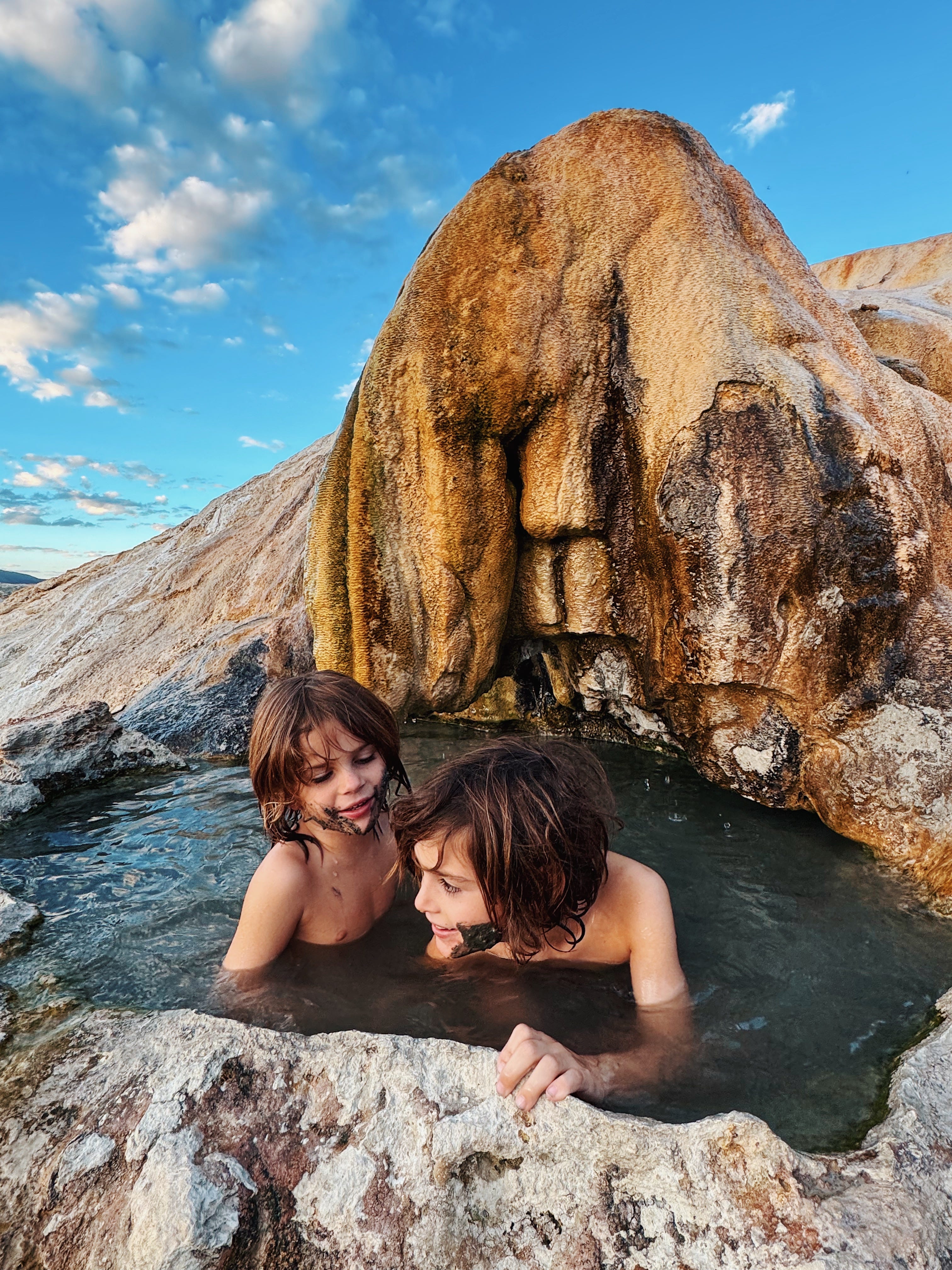
The next thing we knew, gas prices shot up, along with the terrain, which meant we were back in California. We suddenly arrived in a majestic land of glacial lakes and some of the finest granite on Earth. The moment we made it here, back to this simple hot spring in the foothills of the Eastern Sierra, called Travertine, felt like a cellular recharge for our bodies and souls. We felt energized to be back in California, the boys screaming at the top of their lungs with excitement. It was another beautiful, full-circle moment for our family. The first hot spring we visited as a family when we fled California five years ago during the Pandemic in our Airstream. There’s no place quite like it. We stayed by Mono Lake, and the next morning we drove up the Tioga Pass and into Yosemite National Park, one of our all-time favorite drives.
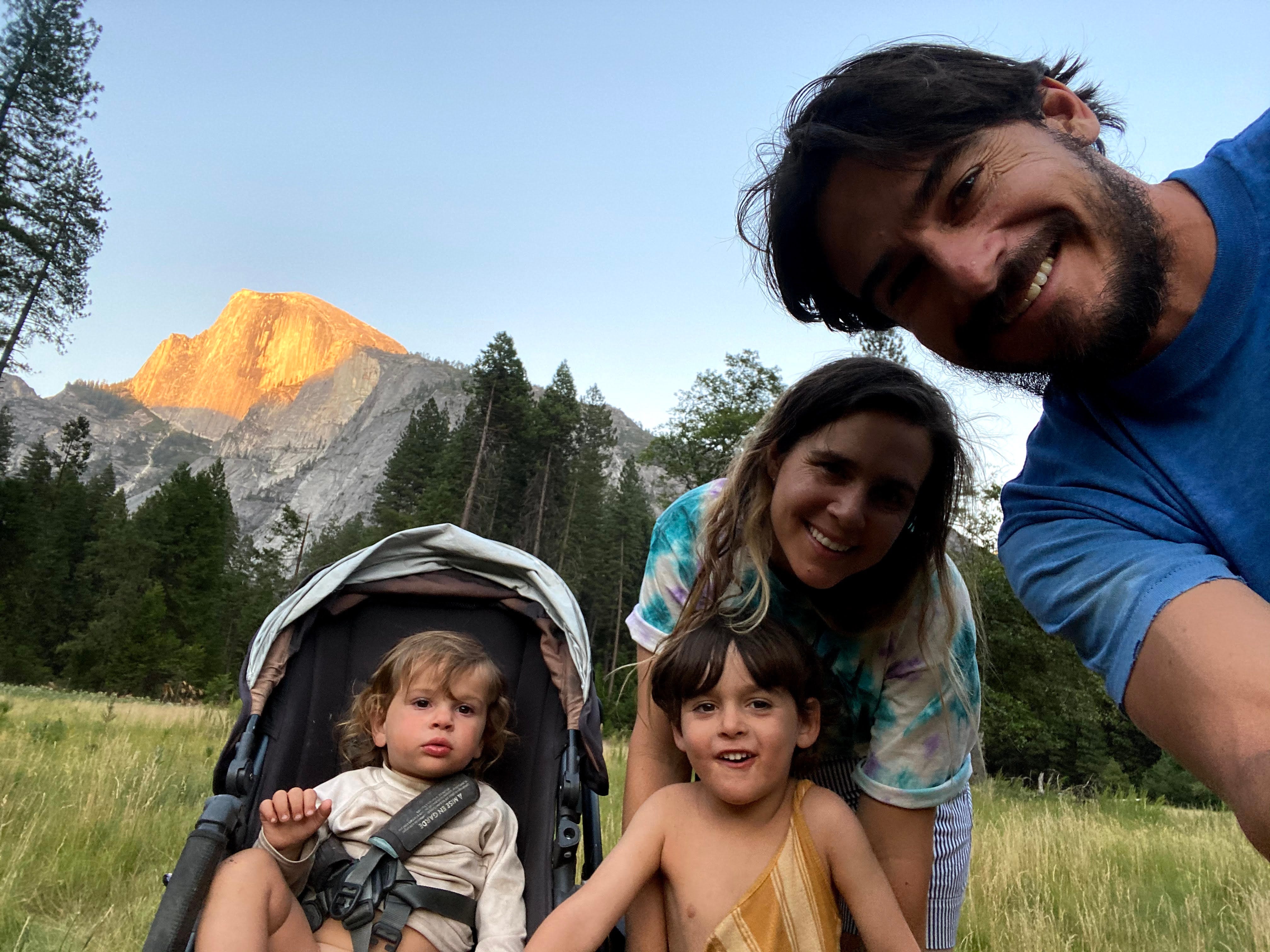
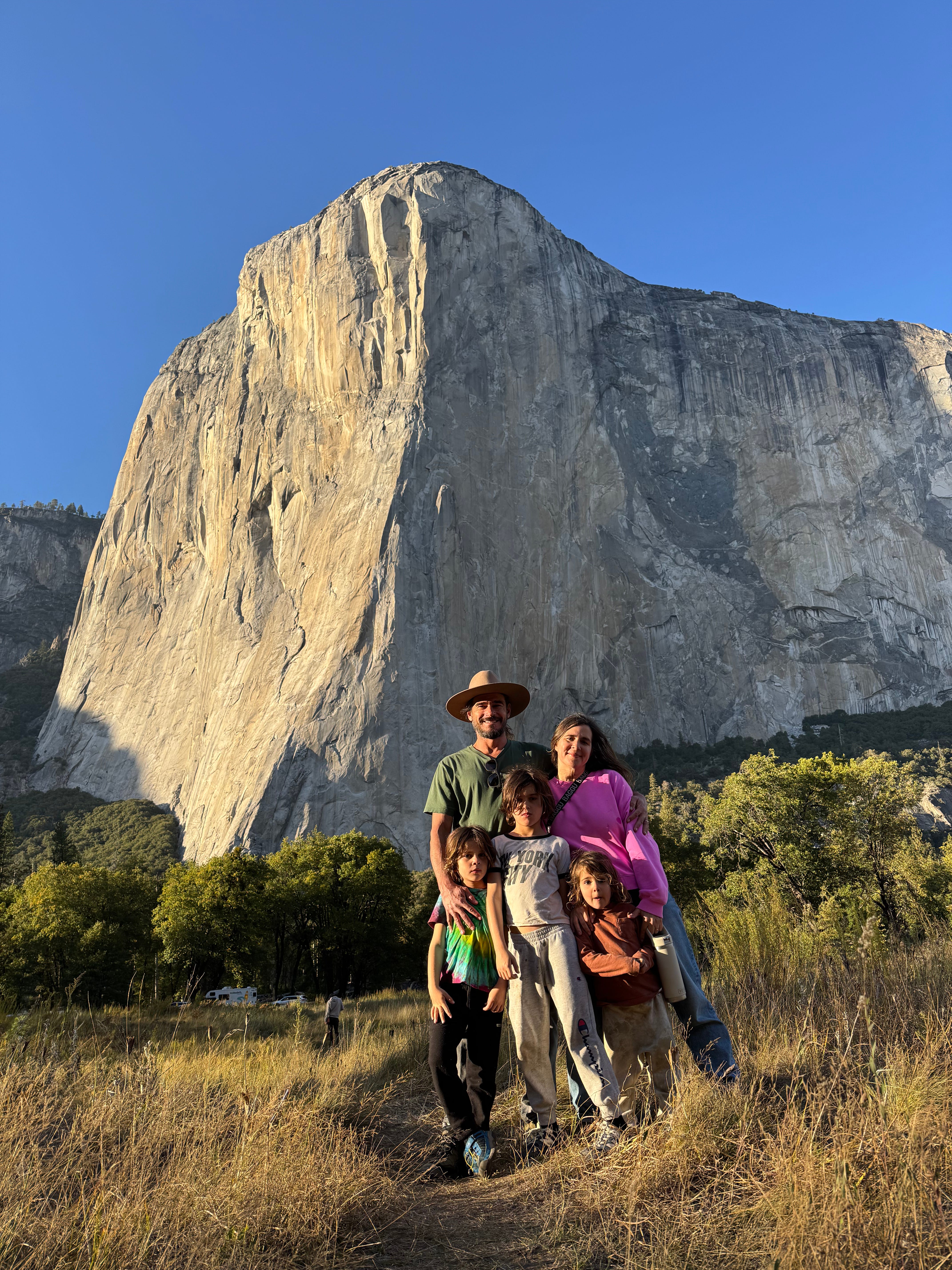
It was such a full-circle moment going back to Yosemite National Park 5 years after we were fined for illegally squatting there during the pandemic. Ironically, it was now completely devoid of rangers due to the shutdown, and everyone just drove right through the gates without paying. We drove straight to the place John Muir described as the “Incomparable Valley.” We stayed and played in Yosemite Valley through sunset, admiring the brave climbers who were dangling off the granite more than halfway up a sun-kissed El Capitan.
We arrived after dark in our very last campsite of the trip, our 22nd unique campsite, 35 days since leaving Alaska, just outside Yosemite— the last stop for our Tortuga. I went to sleep with a sense of great relief and gratitude. We had arrived. The next day, we got a news alert that Trump had struck a deal to release the last hostages and end the Gaza war. It was a double relief.
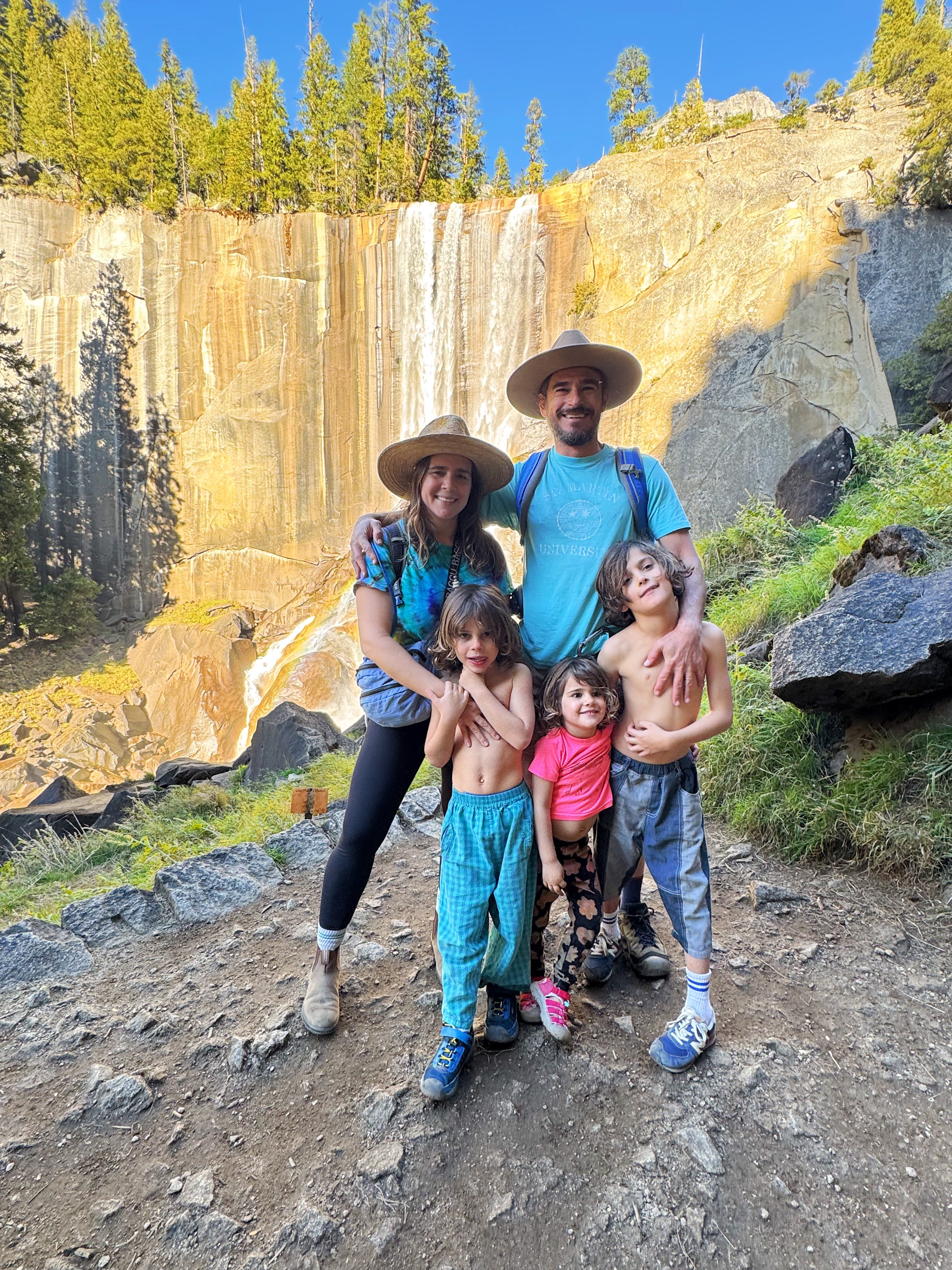
We hiked up to the stunning Vernal Falls in Yosemite, feeling lighter in our steps, decompressing as we walked through the mist. We spent most of the week packing boxes, going to the post office to send stuff back to our parents’ house in Miami, cleaning, cooking, and styling the Airstream as best we could for our future guests. The kids were able to focus on their math, reading, and drawing classes. We did 6 loads of laundry, and our reward was a few full, magical days in Yosemite.
We’re still processing all the lessons from this voyage, but the biggest one thus far is just to be patient and gentle with ourselves, while living as consciously as possible, as we ride through these big life changes. The messy middle is certainly messier than a life of familiar routine, but this is not necessarily a negative thing if you’re doing what you love with people you love.
What I’m trying to say is that for anyone out there who might be reading this and is going through something similar or wrestling with the discomfort or confusion of a new chapter, there is no need to fear the “in between”. As hard and scary as it is, try to embrace it with an open heart. Connect with yourself and loved ones. Relish the chaos! As we’ve learned, “in between” is where the rare snails live, the best noodles are, and where growth happens quietly. And “in between” can’t last forever.
Thanks for this update. What about the drive bak?
Such a good one!