


It was just over a year ago, but I remember that day's feeling so vividly. It was July 1, 2025. We had just embarked on our great family adventure.
Earlier that day, we moved our family of five out of our home and into our Airstream. We were physically, emotionally, and spiritually spent after gut-wrenching goodbyes with friends and family. We were still very much in transition, our emotions swinging wildly. Day 1 energy. One second, we were laughing. Next, we were crying. We felt liberated on the road. At the same time, we felt stifled, retreating into our 200-square-foot living space. We were five souls swinging on a pendulum between our past and an unknown future.
The plan was to spend our first night at Jonathan Dickinson State Park, a place we had visited many times before. The park is a precious, rare swath of land, an aberration amid South Florida’s relentless suburban sprawl. At roughly 10,500 acres, it is the largest state park in Southeast Florida.
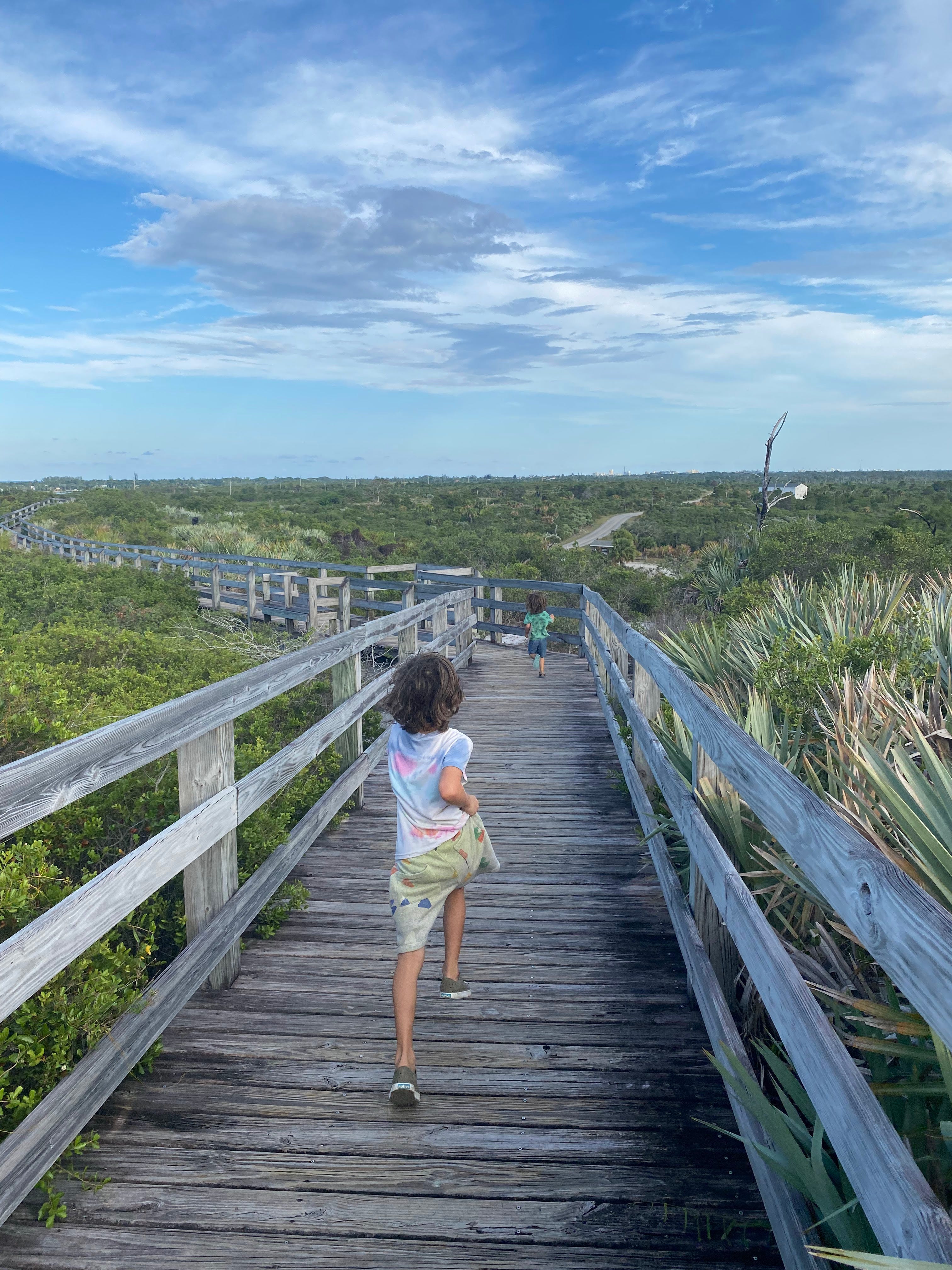
We had made so many memories there. I will never forget our first time climbing the observation tower atop Hobe Mountain, an ancient sand dune rising 86 feet above sea level—the highest natural point south of Lake Okeechobee—and taking frizzy-hair photos at the top. Viewing the park from the top of Hobe Mountain is like looking through a portal into ancient Florida, back before so much of it was paved over. From 86 feet above sea level, you can look across a vast territory of scrub toward the Atlantic Ocean. Hobe Mountain itself is a remnant of an ancient coastal dune system, formed from sand deposited when sea levels and Florida’s coastline looked very different from what they do today.
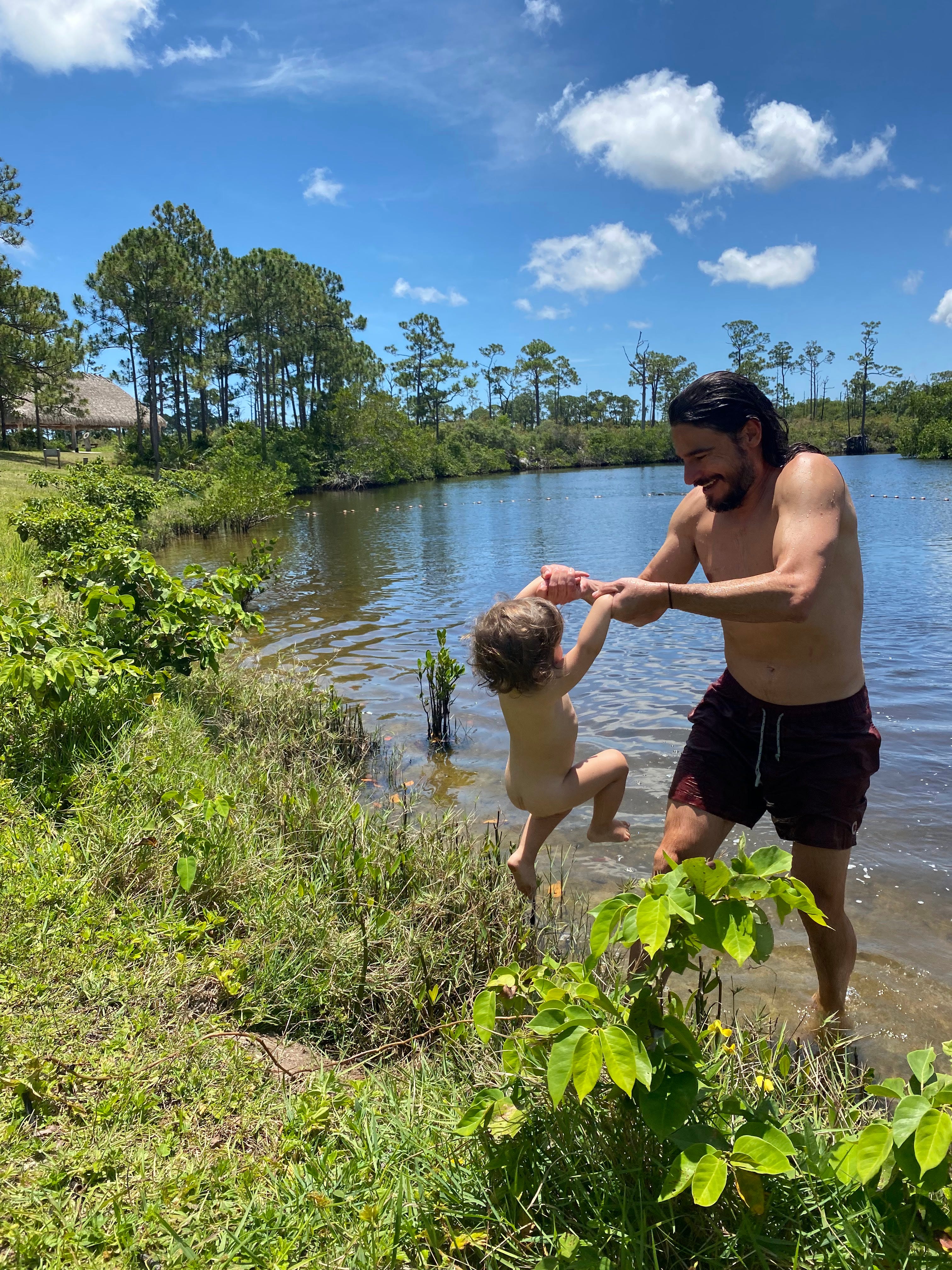
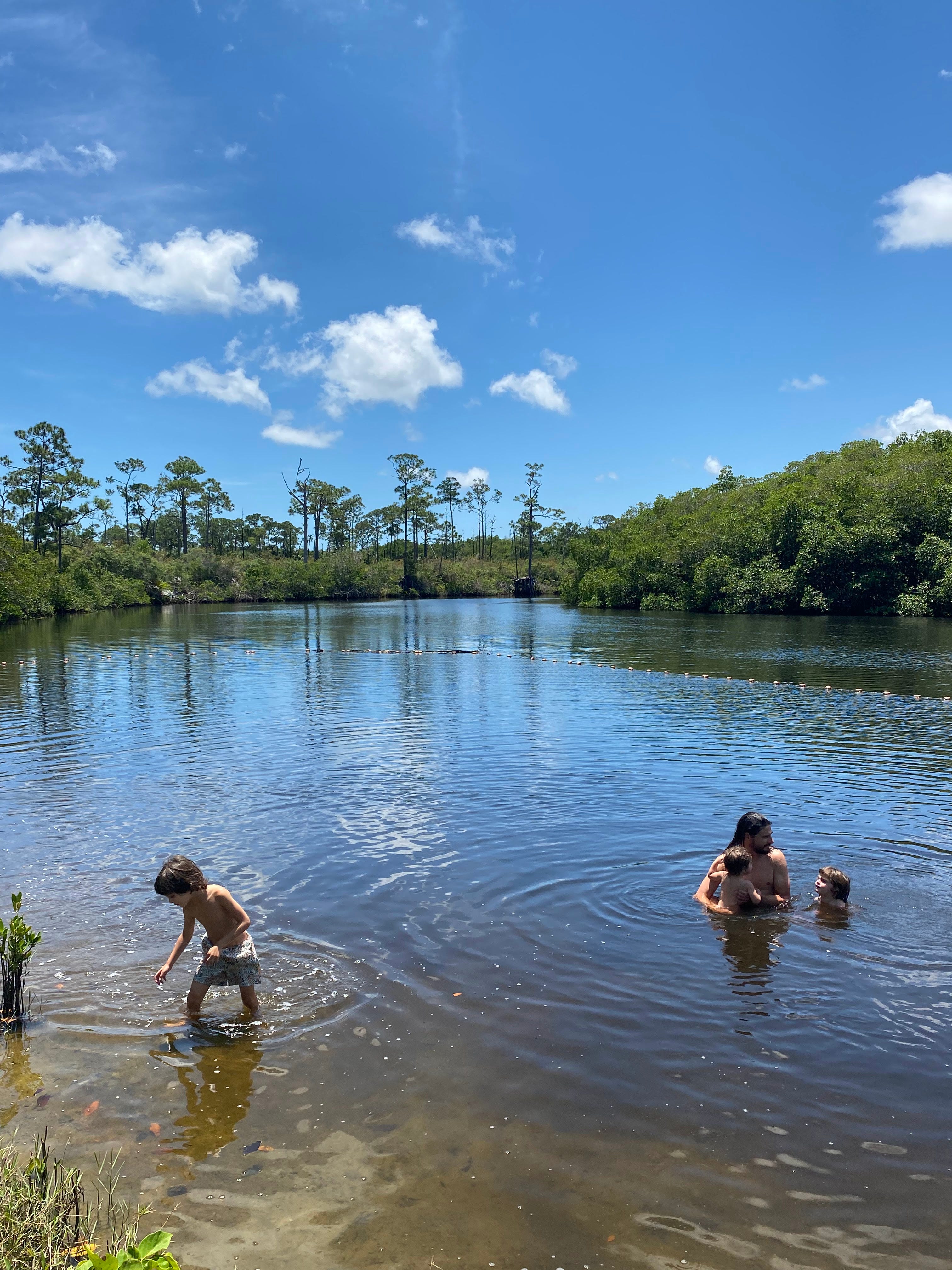
Jonathan Dickenson was the first campsite on our daughter’s first-ever trip in the Airstream. I remember the feeling of that first delicious dip in the Loxahatchee River. Our boys took the Junior Ranger Pledge here, promising to protect this place and its wild animals and plants. Minutes later, they got an opportunity to act on that vow, helping a threatened gopher tortoise cross the road.
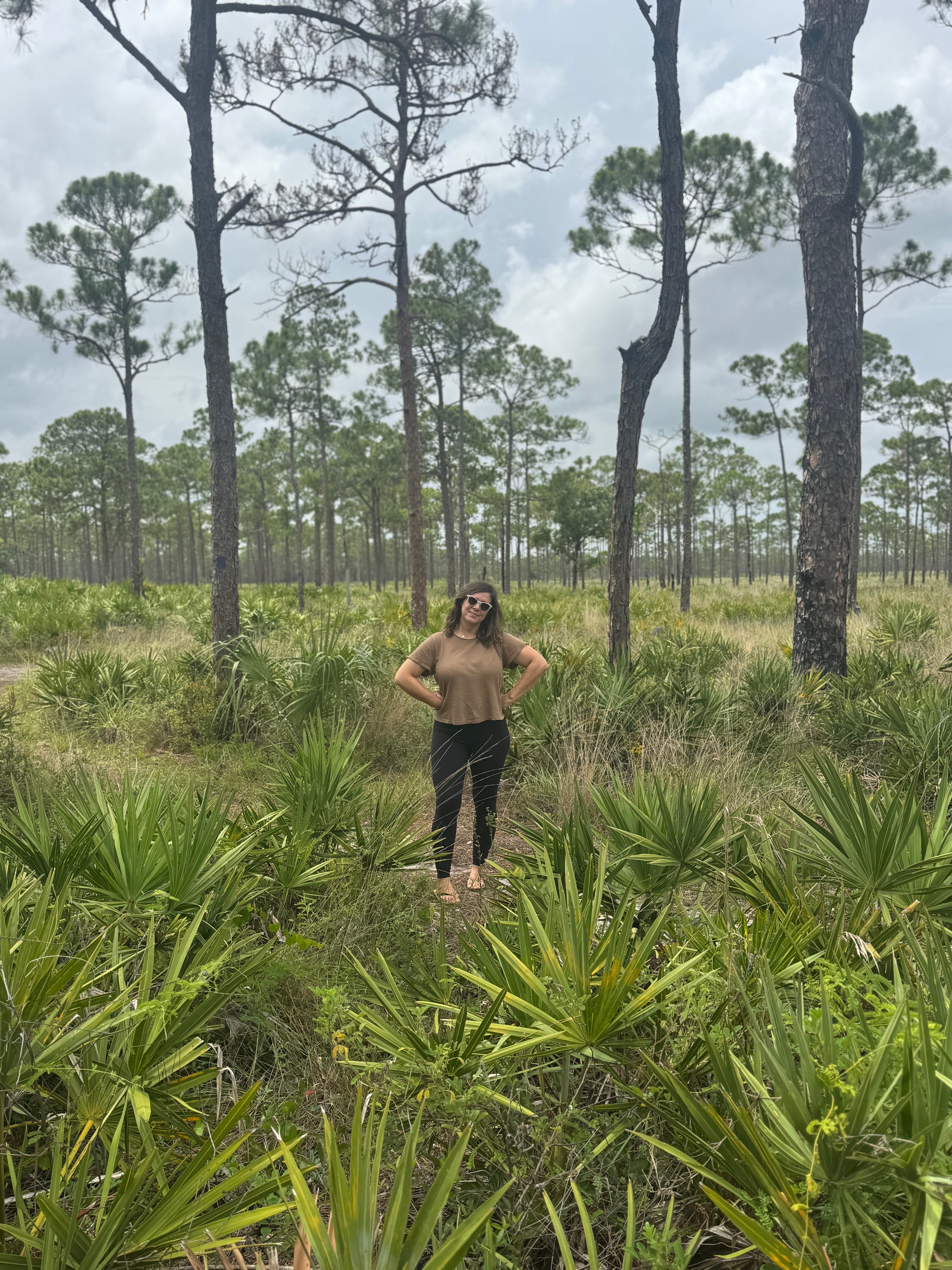
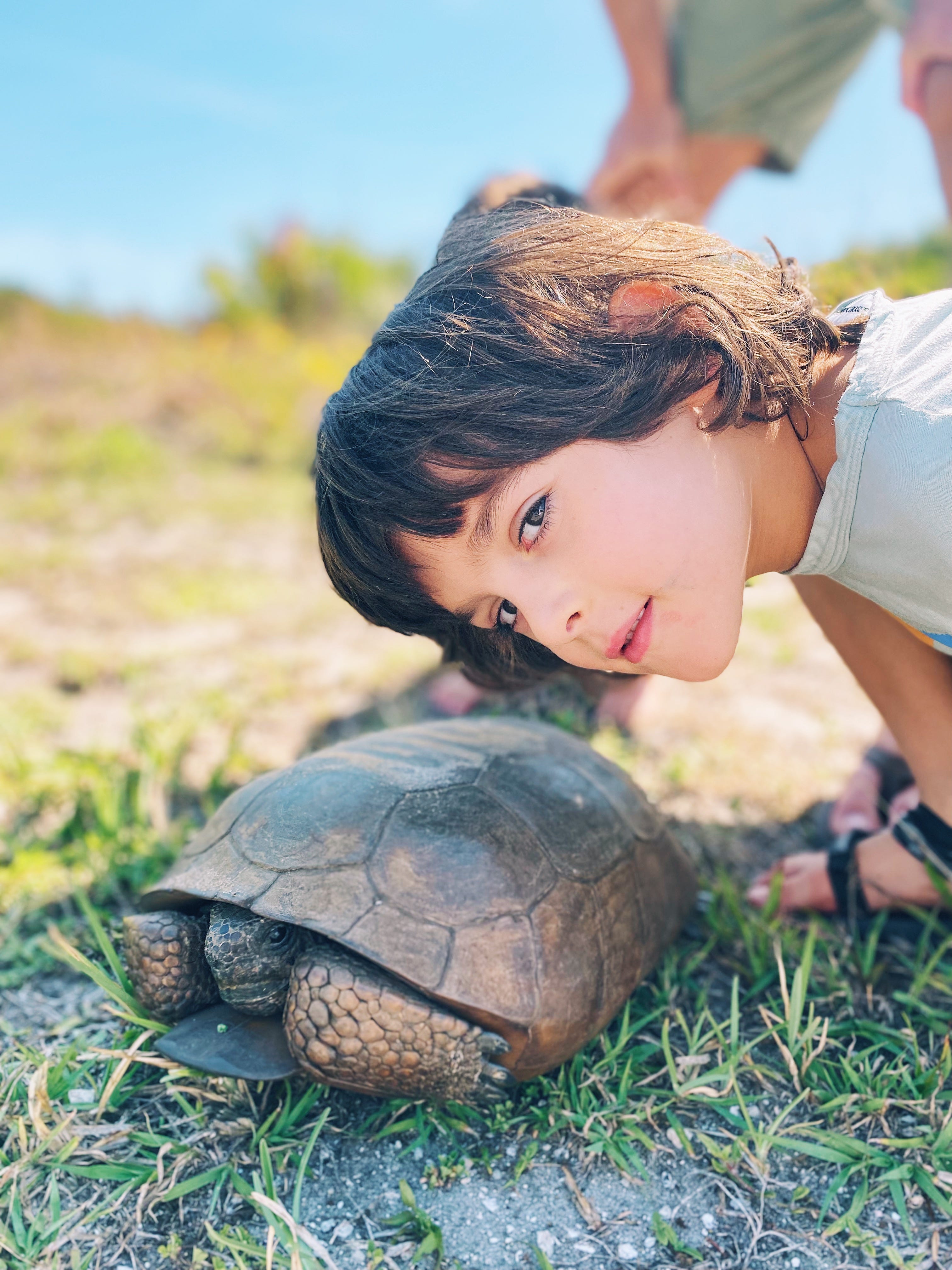
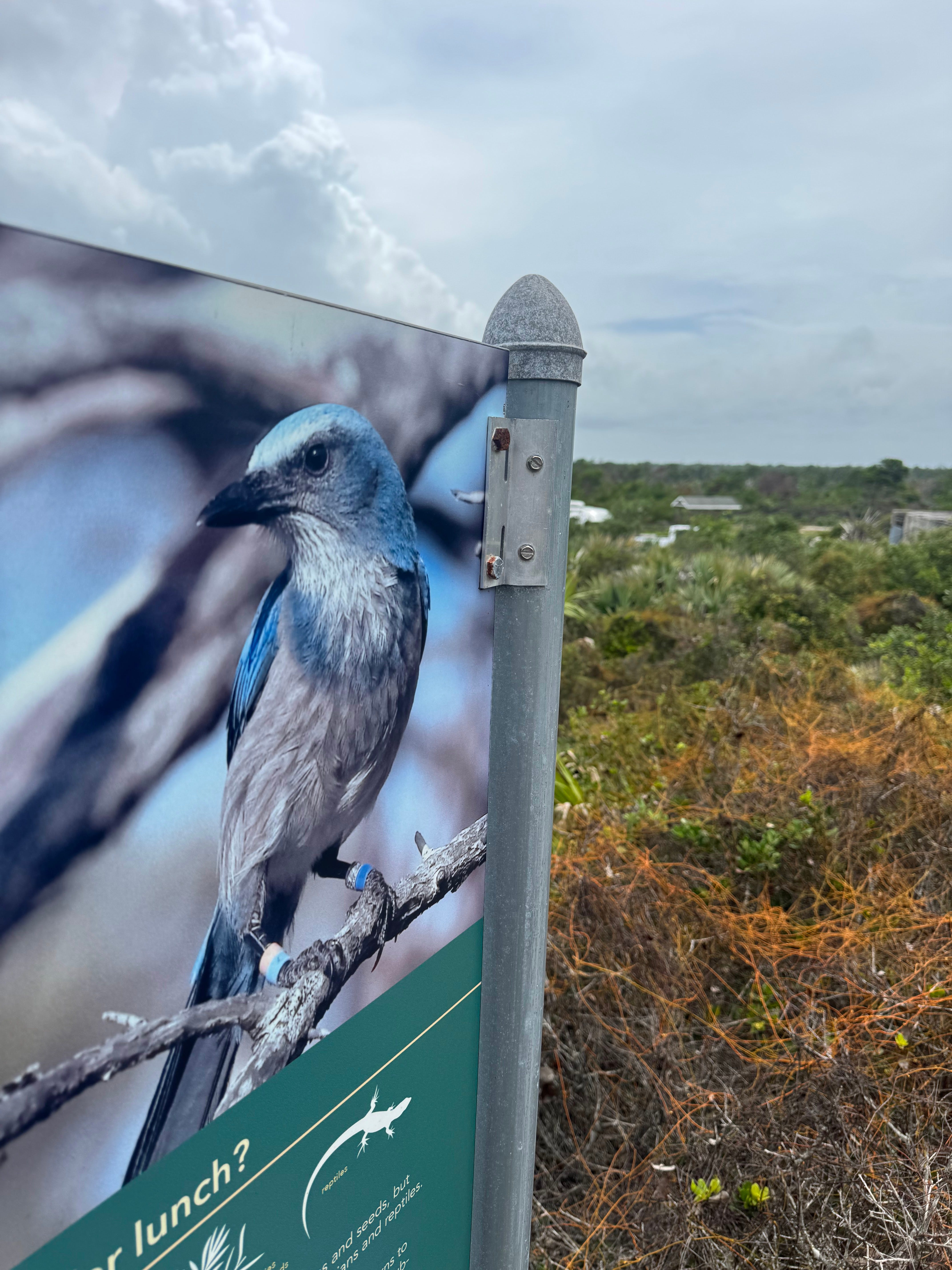
There is quite literally no place like this in Florida—or on Earth. Besides the gopher tortoise, this park is also home to imperiled species like the federally threatened Florida scrub-jay, the only bird species found exclusively in Florida. Its population has declined by roughly 90 percent over the past century, largely because the ancient scrub habitat it depends on has been destroyed, fragmented, or degraded.
This barren, desert-like landscape of white sand, scrub oaks, saw palmettos, and scattered pines might look empty at first glance. It is anything but. Florida scrub is an ancient ecosystem, shaped over thousands of years on sandy ridges that were once islands when much of the rest of Florida was underwater. Today, only fragments remain, and the scrub-jay depends almost entirely on them.
It boggled my mind to think that, just the previous year, this park had nearly been carved up to make way for three golf courses. In 2024, Jonathan Dickinson was one of nine state parks targeted for development under Florida’s proposed “Great Outdoors Initiative.” The broader initiative envisioned golf courses, pickleball courts, hotels, and other development on public parklands. At Jonathan Dickinson, the proposal called for a golf complex with three courses—a plan that would have dramatically transformed part of this extraordinary landscape.
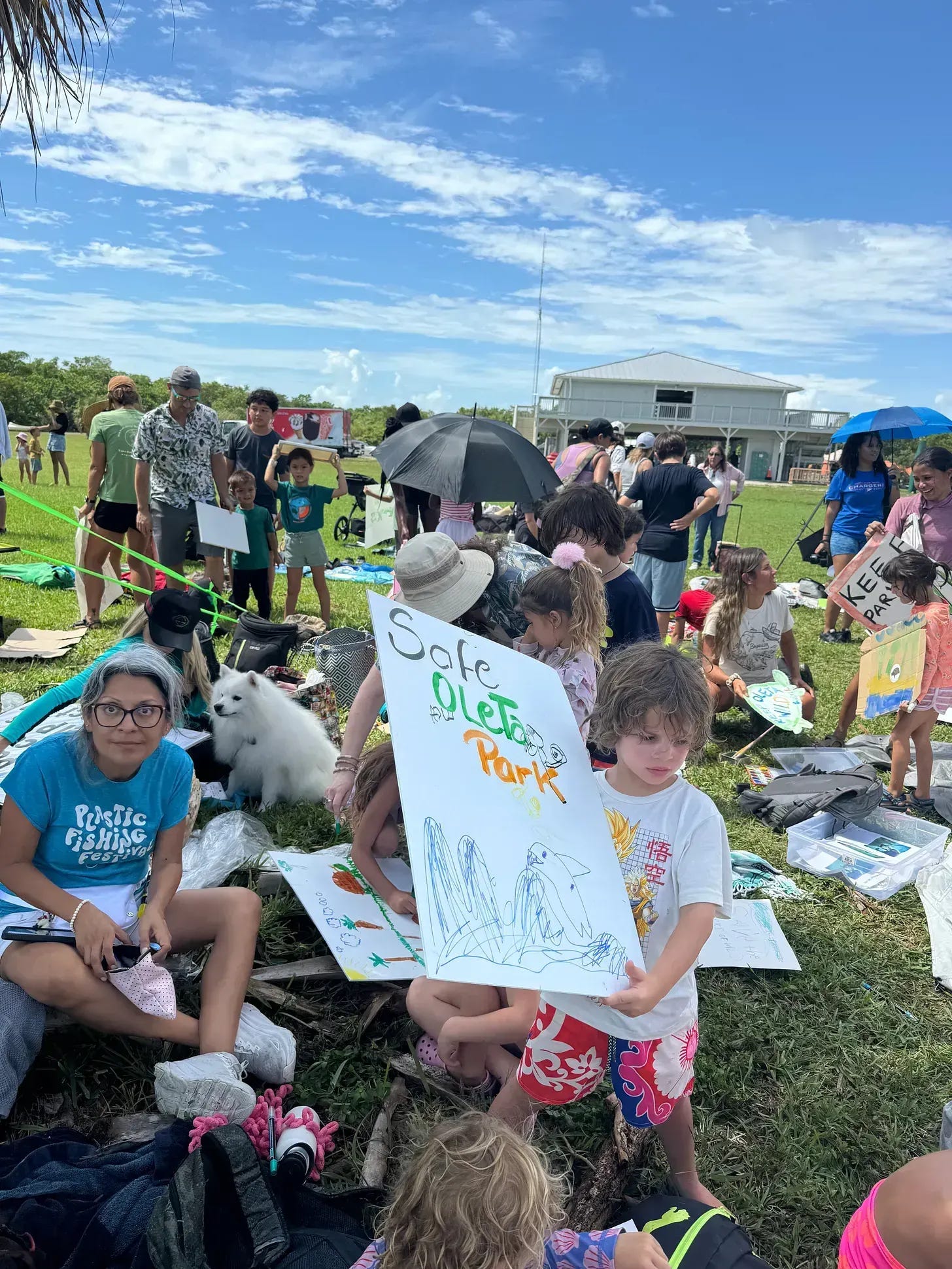
Together with people across Florida, we joined a movement to protest the plan and protect these parks. The backlash was enormous and bipartisan. Floridians who might agree on very little else seemed to agree on this: Our state parks should not be turned over to developers. And it worked. The wave of public pressure forced the state to back down. The following year, Florida went even further, enacting legislation designed to protect state parks from golf courses, hotels, and similar development.
So it felt both meaningful and comforting to spend the first night of our long odyssey here. With our heads spinning and the kids getting rowdy inside the trailer, we needed outdoor therapy more than anything else. I helped wash the veggies and prep dinner. Finally, just as the sun was setting, I got the kids out of the trailer and onto the white-sand trail. Dana, God bless her, stayed behind to set up the inside of our beloved Tortuga and get us organized for the many thousands of miles ahead—and somehow also prepare a nourishing, home-cooked meal.
As we stepped outside the trailer, I hoped with all my heart that we might see a scrub-jay. Despite all the time we’d spent in the park, this was the one animal I’d always hoped to encounter but never had: the elusive and highly threatened Florida scrub-jay. I wasn’t very optimistic. The rangers had told us our best chance of spotting one was in the morning.
The kids and I walked into the scrub at sunset, our bare feet on the white-sand trail beneath a sky glowing pink and orange. As our heels and toes made contact with the Earth, we felt our anxieties begin to melt away. We felt grounded, safe, and reassured. Sometimes nature is a balm for the soul, restoring a sense of calm and peace like nothing else can. We didn’t have to say anything. We all felt the power of being present in nature—wild native species in our own right, in our own park, belonging to this Earth. Our moods and minds had been altered by no synthetic substances. Just dirt, trees, and fresh air.
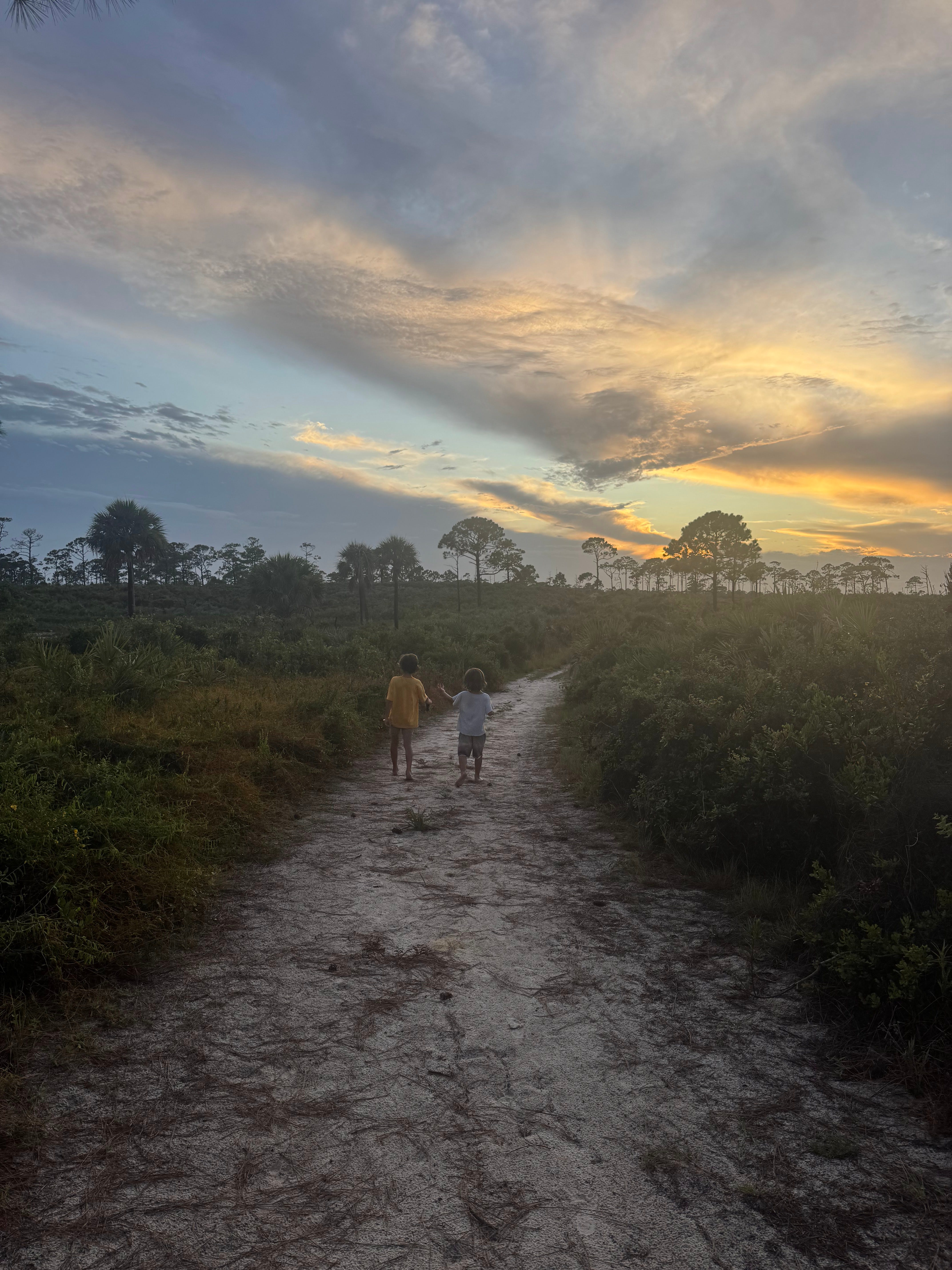
The kids were cackling and giddy. They spotted a cottontail rabbit and chased after it until it vanished into the brush. They examined a cicada exoskeleton while its living cousins made their signature mating calls. And then, suddenly, we heard birds. Could it be? Could it be the scrub-jays? We were beyond excited. The kids sprinted toward the sounds despite my best efforts to tell them to slow down. Miraculously, the birds didn’t get spooked.
And sure enough, just as the sun disappeared over the western horizon, we saw them: Florida scrub-jays. Even in the fading light, their signature blue was unmistakable. I did the best I could to capture them with the only camera I had at the time: my iPhone.
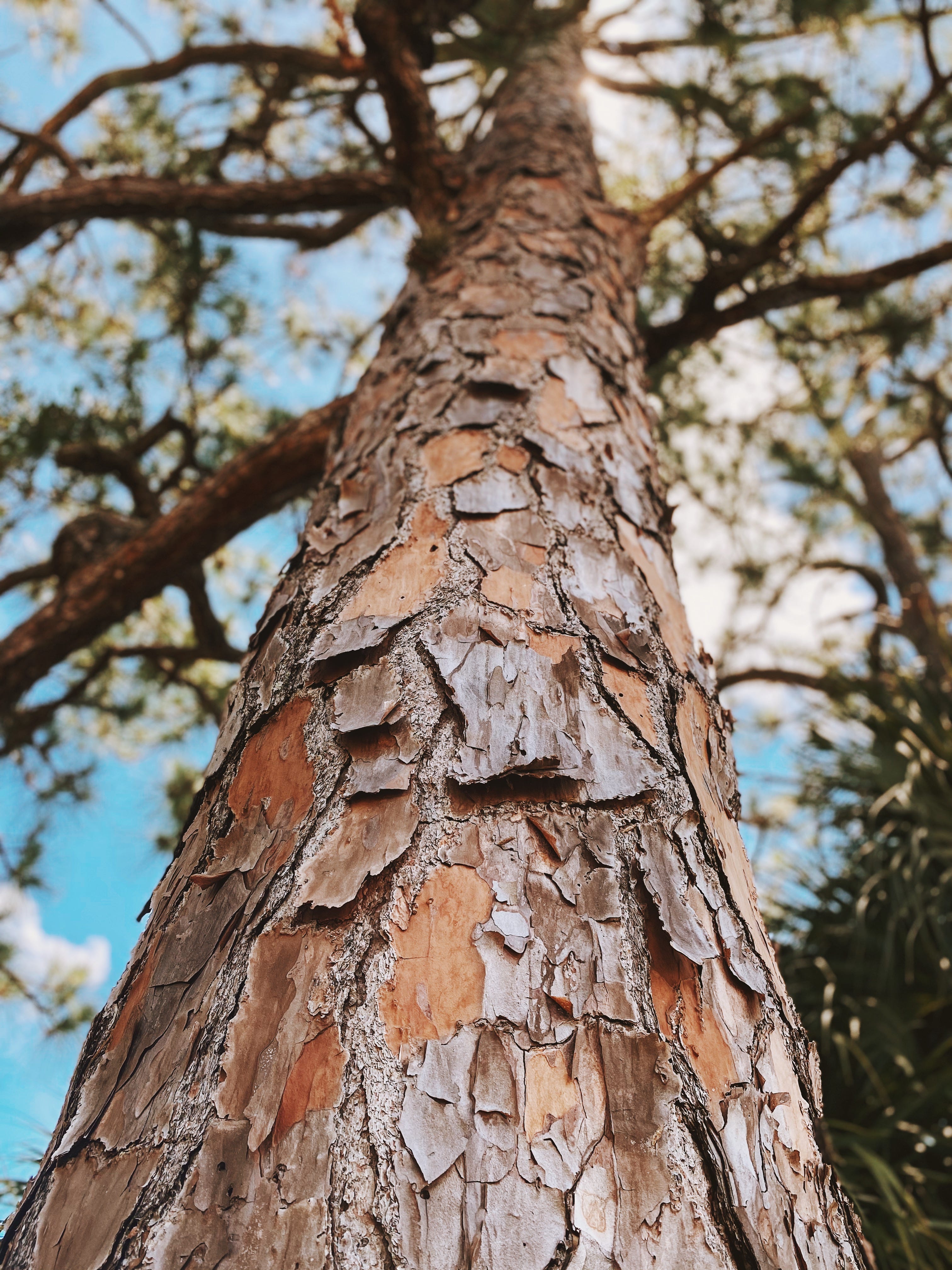
We started Earth Parade partly to chase a quixotic family dream. To get away from the mundane. To simply exist in nature. To have days like this one. This is something I wrote as I tried to visualize what the whole Earth Parade project might be about…
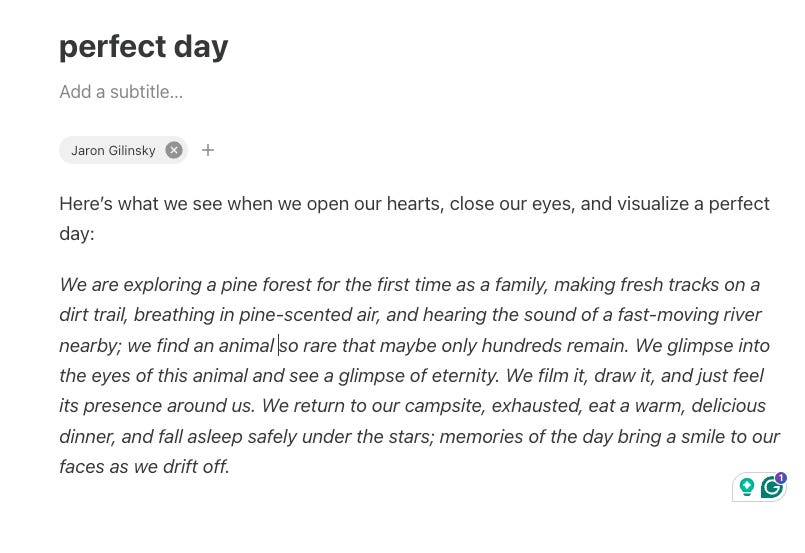
And sure enough, on Day 1 of our journey, we had a day that felt almost exactly like that vision. A river, a pine tree, and at long last, one of the rarest birds on G-d’s green earth. It was an auspicious beginning, and we felt so grateful.
In my humble opinion, the Florida scrub jay should unequivocally replace the northern mockingbird as our state bird. The reason is simple. Over the past four decades, a slow, creeping, one-sided territorial war has been taking place. We have watched much of wild Florida get turned into highways, strip malls, subdivisions, parking lots, and endless seas of concrete. Native plants and animals we love are being squeezed into smaller and smaller islands of habitat as development consumes the places they once lived. In that sense, maybe it’s fitting that our state bird is the northern mockingbird.
The Florida scrub-jay, on the other hand, is uniquely Floridian. Unlike the northern mockingbird, the Florida scrub-jay is found nowhere else on Earth. It doesn’t migrate somewhere else when its habitat disappears. It can’t simply move north or west. Its fate is bound to ours because virtually its entire world lies within this state’s boundaries.
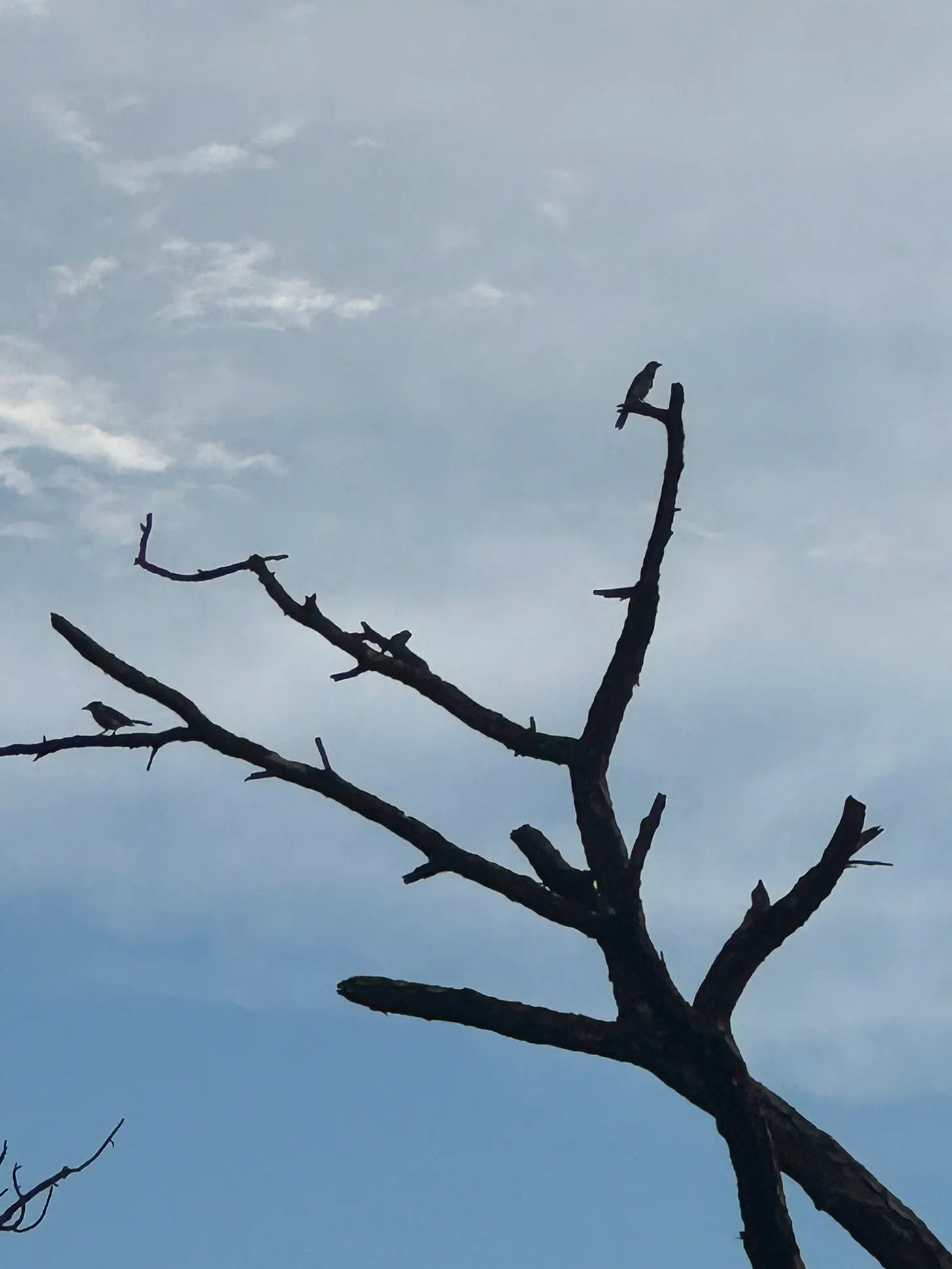
And that world has been disappearing. The principal reason is the loss and fragmentation of the scrub habitat it needs to survive. That makes this little blue-and-gray bird more than another threatened species to me. It is a living symbol of an older Florida that is itself on the verge of disappearing. And Jonathan Dickinson is one of the places where you can still see that Florida.
The only reason this land isn’t already another subdivision, strip mall, golf course, or resort is because generations before us had the foresight to protect it. It belongs to the people of the state of Florida. And yet even this land was placed in the crosshairs of development. We helped foil the last plan to turn part of it into golf courses. The state has since strengthened legal protections for parks like this, which is a huge victory. But history tells us that the pressure to develop wild Florida doesn’t disappear easily.
Look, I’ve got no problem with golf or golf courses. But Florida already has more than 1,250 golf courses—more than any other state. Do we really need three more if the cost is this single, solitary, precious piece of wild Florida?
To me, the answer is clear: Heck no.
This land belongs to all of us. And humans need places like this more than politicians—or perhaps any of us—fully understand. Because what happened to us on that first evening of our journey wasn’t trivial. We had entered the scrub exhausted, anxious, disoriented, and emotionally spent. Less than an hour later, we were barefoot and laughing beneath a pink Florida sky, chasing rabbits, examining cicada shells, and staring in wonder at a bird that exists nowhere else on the planet. The land had healed us, grounded us, and connected us to something far greater than ourselves.
That’s what these places do. They remind us that we aren’t separate from the natural world, no matter how hard we’ve tried to engineer our lives as if we are. They connect us to who we really are.
And if Florida loses the scrub jay, we will lose much more than a bird.