

Our Definitively Biased Guide to the Florida Springs
We have found the Fountain of Youth, folks. It's got nothing to do with botox, fillers, or semaglutides.


The places where water comes together with other water. Those places stand out in my mind like holy places.
-Raymond Carver
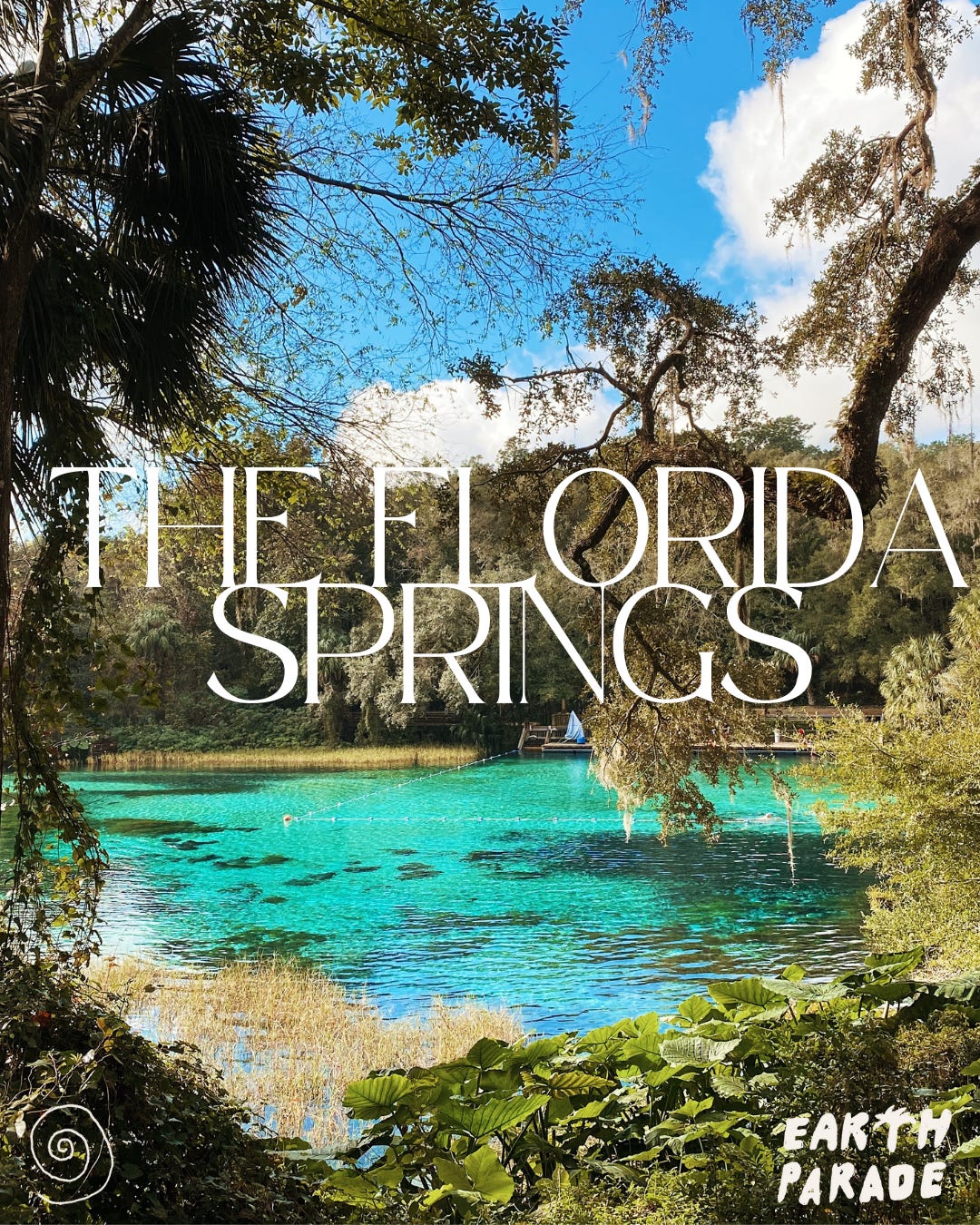
Florida is not commonly associated with holy places. And we’re here to tell you that this, and everything you already know about Florida, is 100% true! No need to read further. Please don’t come here unless you’re looking to retire in a land of cheap AK-47s, invasive iguanas, and catatonic, lobster-skinned snowbirds sunning their backsides next to an overly chlorinated pool. There is no magic here, except for a rodent kingdom known as Disney, which is pillaged daily by a mob of zombie tourists seeking to devour giant turkey legs while simultaneously being brainwashed by misogynistic fairy tales blurted out of speakers built into fake rocks. Seriously, unless you are auditioning to be the next Princess Jasmine after the last one just got sentenced to 10 years for drug trafficking, there’s no need for a visit. Florida is what you already know it to be. It is “God’s waiting room” furnished with a faded, disheveled purple velvet couch, a television/VCR combo playing “The Price is Right” reruns, a sticky, glass coffee table with a few Golfers Digest magazines scattered on top, and an even stickier remote control with only one corroded double A Duracell battery. That is all. No, you cannot change the channel! And no, there isn’t a single heavenly wonder to experience here before it is your time to enter the heavenly gates.
Still with us?
In September 1493, about 1,200 sailors, colonists, and soldiers joined Christopher Columbus for his second voyage to the so-called “New World.” One of the men on board was a 19-year-old with no official purpose on the boat other than being an entitled noble teenager (read: pre-Instagram influencer) and was listed as a “gentleman volunteer.” His name was Juan Ponce de León, and after killing many Moors in Granada, Spain, he would later become notorious for subjugating and butchering Native Americans. For his role in the massacring of the natives, Ponce de León received a generous land grant from the Spanish royals with an encomienda full of slaves to farm his new estate. He was also appointed governor of Puerto Rico, where he became wealthy from mining gold and plantations.
On top of that, the OG colonizer and mass murderer was awarded the right to set up a colony of his own! He named it “La Florida” in recognition of the verdant landscape and because he “discovered” it in the Easter season, which the Spaniards called Pascua Florida (Festival of Flowers). So roughly 14,000 years after men and women had been living in this land, Ponce de Leon was nominated by a king an ocean away to become the first “Florida Man.”
This may have been the most fitting title for de Leon, who, at some point in his life, either had an epiphany or came to the sublime realization that perhaps life was about more than just accumulating riches and killing brown people. Florida Man wondered, “Maybe the point of life is not to die.” So, 500 years before a guy named Bryan Johnson started asking his own organs what they should eat and taking drugs called rapamycin in order to live forever, the legend is that Ponce de Leon went looking for a “Fountain of Youth” in La Florida.
Did he ever find it? We commoners will never know. What we do know is that de Leon was shot and mortally wounded by a poison-tipped arrow, likely from the local Calusa tribe. “Karma is a bitch,” the old Florida expression goes. And so, if you’re still reading this and have endured both our PR blitz for the Villages retirement community and the AP Florida history lesson you likely never learned in school, we will now tell you the most shocking truth of all. If you’ve made it this far, you’ve earned it.
The Fountain of Youth is no myth. That’s right, Poncie boy, eat your heart out.
And yes, we have found it.
And now you, dear subscriber, for the low price of $7.30 a month, get the keys to the kingdom! You will learn about the largest artesian spring in the world, the site of the oldest commercial tourist attraction in Florida, and the only spring in Florida with wild monkeys. Places with indigenous names that you will never be able to pronounce like Itchetucknee, Weeki Wachi, and Chazahowitzka. We will be your guides to the best cave diving sites in the world, a real-life Mermaid show, a pristine river with thousand-year-old fossils that your kids will obsess over for years to come, and for the really brave, the only hot (ok, fine lukewarm) mineral spring in Florida in which you will have to compete with aggressive Eastern European octogenarians for the best spot. If you’re looking for a Fountain of Youth, look no further. We’ve spent actual decades of our lives working on this. Our definitively biased guide to the Florida Springs has arrived.
Florida’s Last Remaining Secret
If you’ve ever been in central Florida in the summer when it’s 95 degrees outside and 80% humidity, you begin to feel the throes of death. As you maniacally venture out of your air-conditioned home to get into your air-conditioned car and then, on your own volition, leave it for the non-airconditioned real world, you immediately begin sweating so profusely that, like the Water character in the film Elemental, you are unsure where your body begins and wear the sweat ends. After a 15-minute walk through oak hammocks and cypress trees, you’re already hallucinating and imagining those trees with faces mocking you. The vision gets blurry. Weakness comes over all your muscles. Your nervous system starts shutting down. If you don't replace fluids soon, you will basically melt and decompose into the swamp beneath your feet. Finally, you see a portal to salvation. A turquoise crystal color so beautiful that it makes you want to cry. But you have sweated out all your potential tears. You exert your last morsel of energy to walk towards it. Is it a mirage? Can this color actually be real? Have I discovered the Shangri-La of the swamps?
You get closer and see what looks like a giant natural infinity pool with a sandy white floor interspersed with green grasses and rocks. The water is so clear that it seems invisible. You put your smartphone down on a rocky ledge and jump into the crystalline spring in your clothing. What awaits you is the most refreshing, invigorating moment of your life. You submerge in the perfect 72-degree waters, and you are instantly restored. You feel 10 years younger than you felt just minutes before! One dip in these Florida springs, and you are magically back to baseline. You see, life in Florida ages you prematurely. The springs magically bring you back to the age you would have been had you not come to Florida in the first place. We told you the Fountain of Youth is real.
Florida’s natural spring system is certainly Florida’s best-kept secret. That’s not saying much since it might also be Florida’s last remaining secret. There are nearly 1000 springs in this state, which is more than anywhere in the world. More than 30 springs have been documented in the upper part of the Silver River alone. These springs emerge from ancient limestone formations that frame the upper part of the Floridian aquifer system, which underlies the entire state of Florida. This aquifer system provides water to hundreds of springs around the state, including some of the largest and deepest springs in the world. It also provides our drinking water and provides giant corporations like Nestle cheap water that they then put in bottles and sell back to us using folksy Florida town names like Zephyrhills.
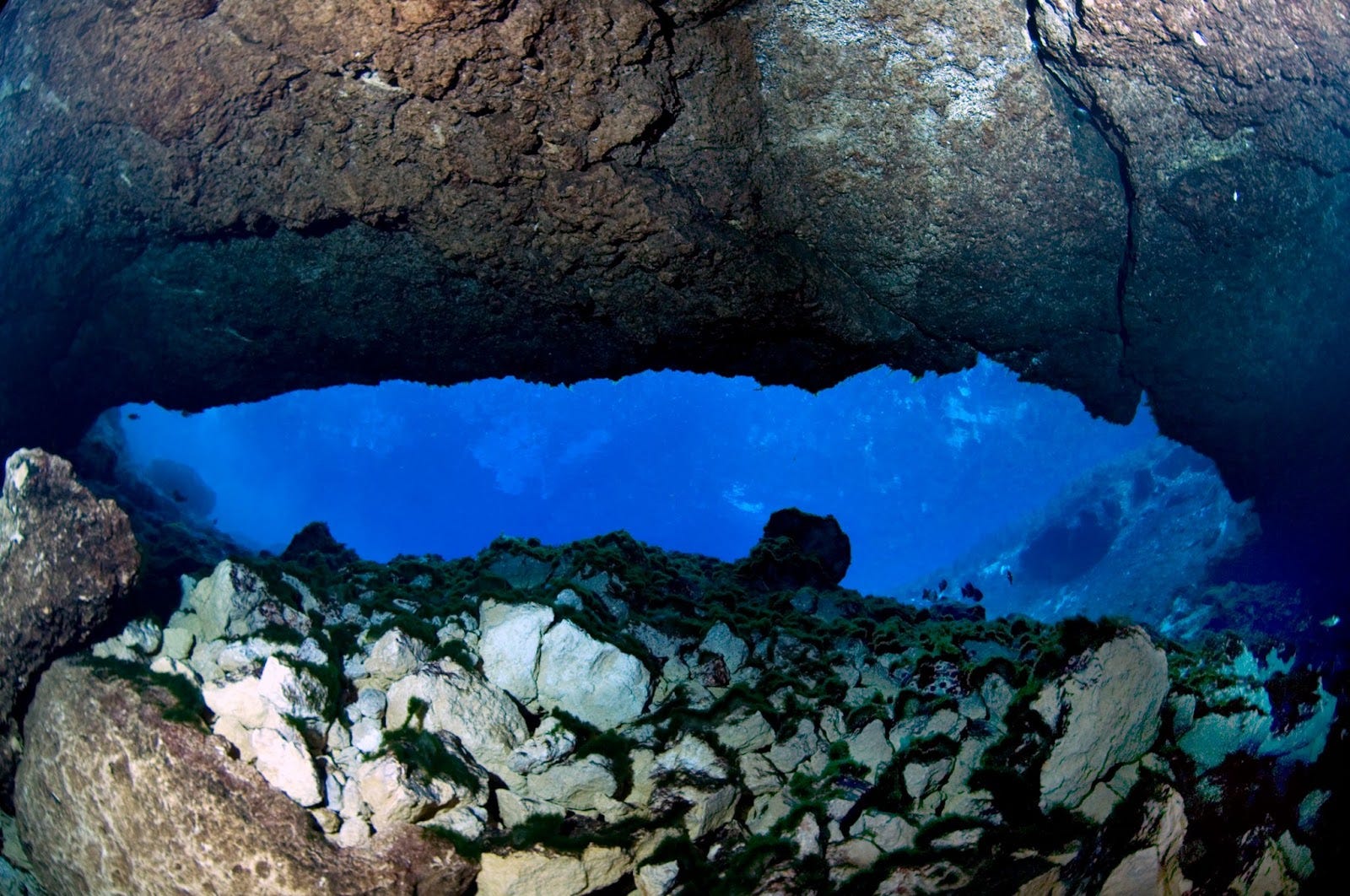
One important thing to know about Florida is that it is basically the geological equivalent of Swiss cheese. If you dig just about anywhere in the state, you will likely hit a spring. Jaron grew up on a lake that was originally dug out and is now regenerating itself through the cold spring flowing constantly from the bottom. The lake, despite being connected to no other body of water, now is home to lots of freshwater bass, turtles, and even a family of giant freshwater tarpon that surprise you with a flash of their silvery dorsal fins when you least expect it.
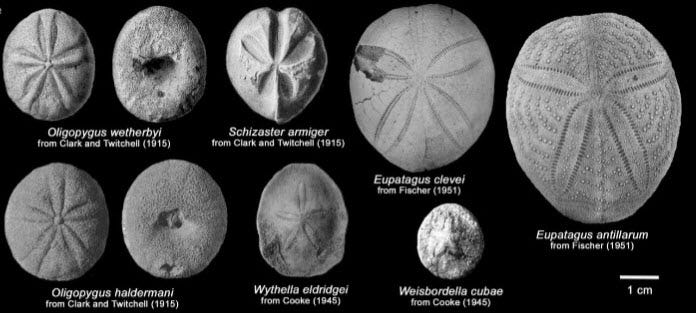
Geologists, most of whom are lactose intolerant, define the topography in Florida not as cheese but as karst, which refers to features formed over thousands to millions of years due to the interaction of slightly acidic natural waters with dissolvable rock such as limestone. Florida limestone contains abundant remains of sand dollars, sea biscuits, clams, snails, and single-celled organisms called foraminifera that accumulated on the sea floor over millions of years. Over geologic time, these fossils and other particles naturally cemented together. Florida is basically built on top of this limestone, which interacts with our aquifer and becomes karst. As a result, there are hidden springs and sinkholes everywhere.
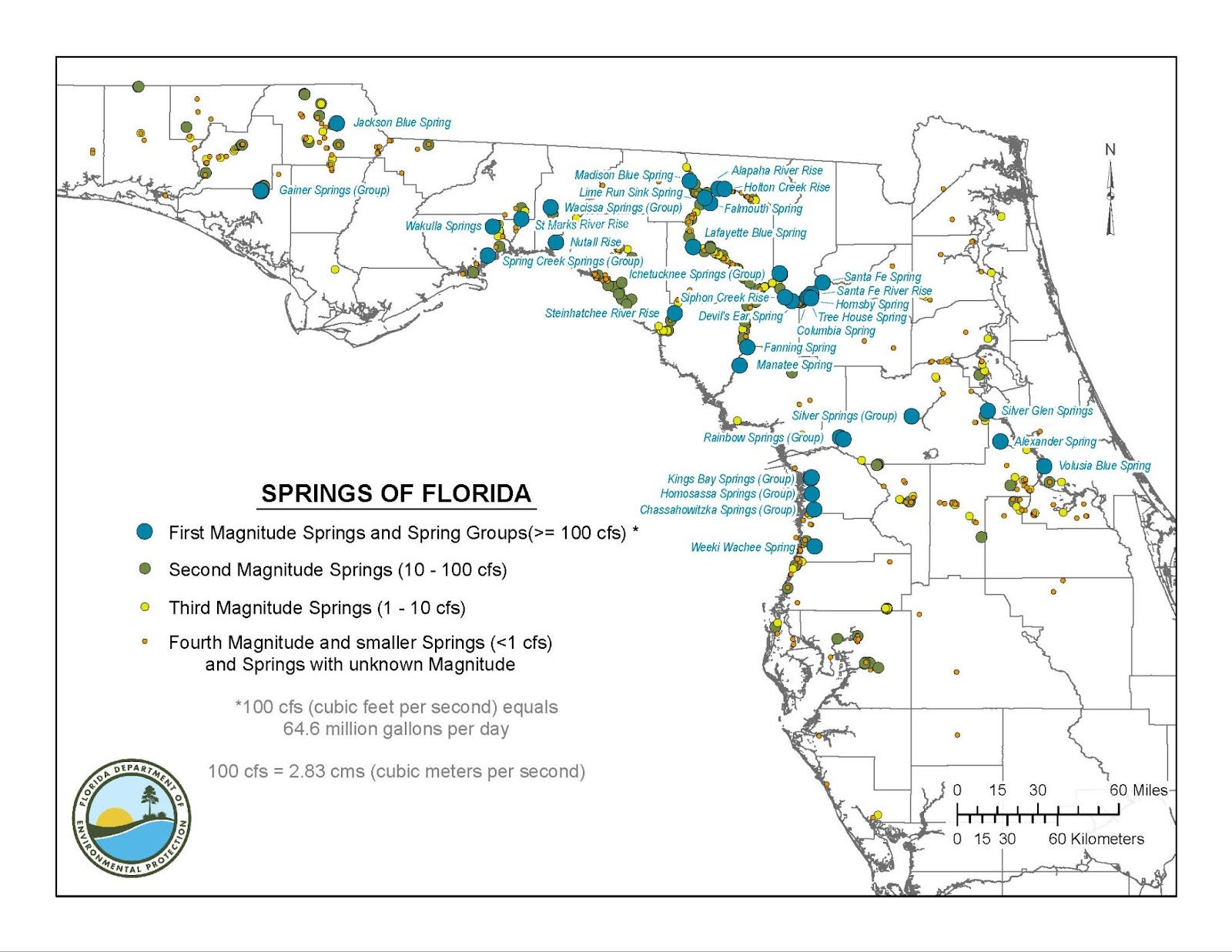
So, what are springs, you might ask? Springs are places where groundwater gets pushed through natural openings called vents. When groundwater is under artesian pressure, which is a fancy way of saying really high pressure, it can forcefully flow out onto Earth’s surface, creating a spring. Florida has 27 first-magnitude and 70 second-magnitude springs, the highest number for any other US state. Magnitude is the amount of water the spring or spring group discharges. The first-magnitude springs store a lot more freshwater than the second-magnitude springs.
Florida’s natural springs are a truly rare, remarkable ecosystem bubbling out of the Earth. They are crystal clear and fed by a perpetual flow of 72-degree, alkaline mineral water straight from the aquifer. These springs are highly concentrated in the Ocala National Forest but span across all of Florida and parts of Georgia, Alabama, Mississippi, and South Carolina. Many of the Florida springs feed into rivers and ultimately into the Gulf of Mexico (Sorry, King Donald).
The Florida springs form this unique and irreplaceable ecosystem for wildlife, supporting diverse species such as manatees, fish, turtles, and our favorite swamp puppies, alligators. They are just teeming with wildlife! There are birds galore - herons, egrets, wood storks, and even the federally endangered snail kite, which depends on springs for survival. The springs' foundation is aquatic eelgrass and other native plants submerged in the cool water. They keep manatees alive in the winter when ocean and river temperatures plummet. During the heat of summer, catadromous (read: freshwater) fish find refuge from otherwise lethally hot river temperatures. There is nothing like this spring system anywhere on Earth.
Accommodations and Food:
We highly recommend camping, especially if you have access to a trailer or an RV. The Florida state parks are awesome and have full hookups. Reserve early, especially if you’re coming during the tourist season from November to April. Honestly, if you’re not camping, the best places to stay are going to be Airbnb’s since hotels don’t really exist near the springs. There are some really good Airbnb and Hipcamp options near all these springs, including places right on some of the rivers we mention below. Also, food options are pretty limited the closer you get to the springs, so just bear that in mind and come prepared. There are plenty of supermarkets like Publix that might end up being your best bet in many of these locations. The good news for your foodies out there is that many of these springs are a short drive from larger cities like Orlando or Tampa. Others are fairly close to Gainesville. There are hotels and really good restaurants in these cities. For you foodies out there, you can do day trips and still eat decently. However, our advice is to Airbnb, stop at a Publix, and then prepare your own meals and snacks.
Our Favorite Florida Springs:
For the purposes of this guide, we won’t cover all of Florida’s springs, which would take a lifetime. We’ll only mention the springs we’ve been to and some of the spring-fed rivers we love. The guide will go from north to south.
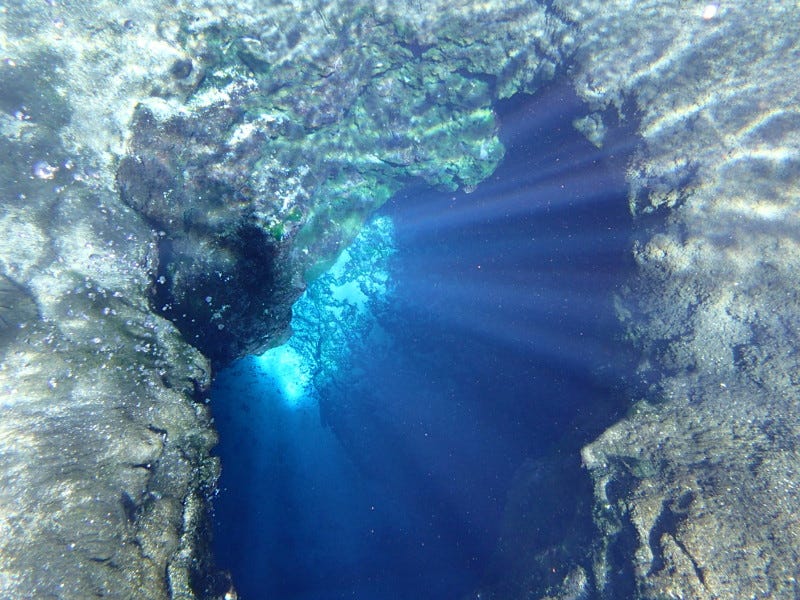
Jaron goes way back with the Itchetucknee. He used to come to this place all the time as a college student at the University of Florida for tubing down a lazy, warm river. Near Gainesville, this was a popular place for all kinds of frat boy shenanigans, but thankfully, it's been cleaned up, and this is not the vibe anymore. Ichetucknee is a Seminole Indian word that means “place of the beavers.” Ichetucknee Springs State Park is a 2,669-acre wildlife haven where beaver, otter, gar, softshell turtle, wild turkey, wood duck, and limpkin all find a home
One special spring that feeds the Itchetucknee is the Blue Hole Spring, also known as Jug Spring by the cave diving community. It is the only first-magnitude spring located within the park and one of many springs feeding the magnificent Ichetucknee River. On average, 67 million gallons of water flow from Blue Hole per day, a fact that is evident when you feel the water current push you back as you swim toward it.


Ginnie has been privately owned by the Wray family since 1971. In the 1990s, it became a popular spot for cave diving. Today, it’s popular for all the same reasons as Itchetucknee, except that it does still allow alcohol, which means it’s a prime destination for warm water river tubing, where college students tie a keg to the last tube and then form a beer-drinking human chain for as long as possible. Jaron has no recollection of ever doing this. Tubing the Santa Fe River as part of the Ginnie Springs tube run takes about 1 hour to complete from start to finish, depending on levels of intoxication.
Despite this, Ginnie is still a relatively family-friendly place where you can swim, snorkel, canoe, kayak, and stand up paddleboard along the Santa Fe River. In 2021, the Suwannee River Water Management District Governing Board approved a permit that granted Nestlé permission to take over 1.1 million gallons daily from the aquifer that feeds Ginnie and other nearby springs to expand its bottled water operations. This has sparked outcry.


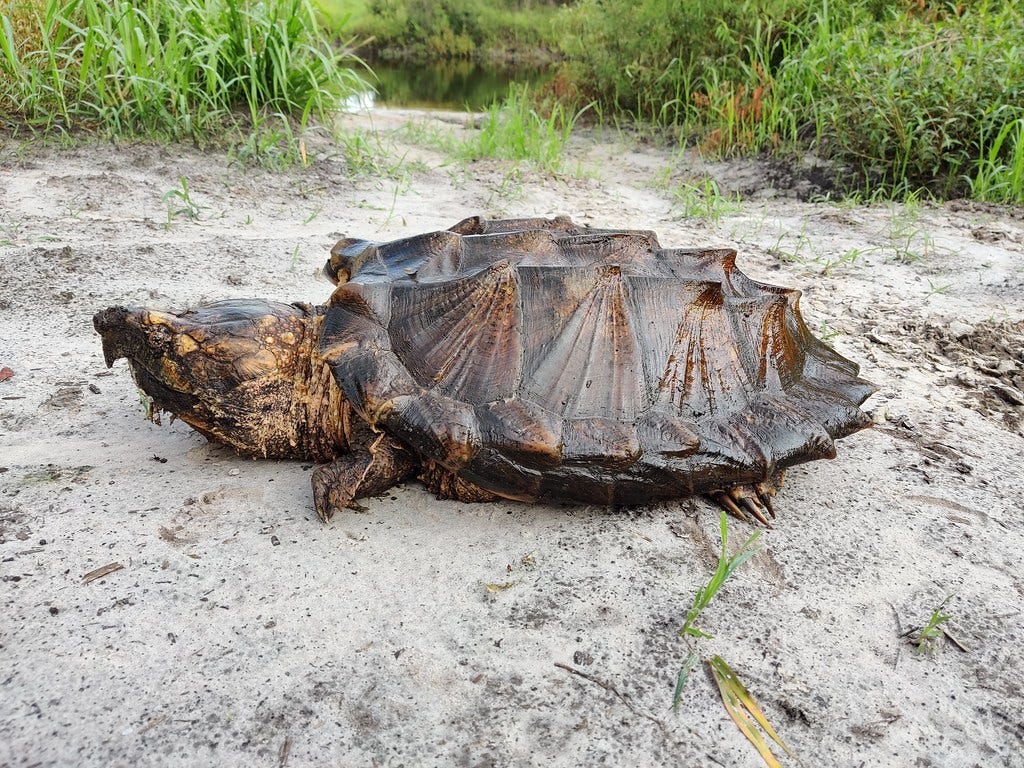
This spring, known as Gilchrist Blue, is a great place for families. At the time of writing, it’s Florida’s newest state park after it was mismanaged and basically destroyed by private ownership. This is a good thing because it is one of the last remaining habitats for the highly threatened Suwannee alligator snapping turtle (Macrochelys suwanniensis), a species of very large freshwater turtle in the family Chelydridae.
These babies can weigh up to 100 pounds! Look at this 64-pound female beauty queen! Because so few remain, we’ve never seen one in the wild here.
Blue Springs has since been restored and is once again pristine. Its water is outstandingly clear and discharges through a shallow spring run about one-quarter mile to the Santa Fe River.
The other springs on-site are Little Blue Spring, Kiefer Spring, Johnson Spring, and our personal favorite, Naked Spring. We’re not sure how it got the name, but it definitely feels more remote and has wilder vibes than the main spring.
Aside from playing in the park's pristine natural springs, Gilchrist Blue Springs features a fun little nature trail that is just under 1 mile long but leads hikers through various ecosystems and natural habitats. You can observe a 350-year-old giant cypress tree, hidden springs, and turtle-filled emerald sinkholes along the path. The Gilchrist Blue Springs Loop is another popular trail that weaves through 1½ miles of the park and past five scenic springs. As you wander the peaceful Florida wildlands, see if you can spot bird species such as the pileated woodpecker and osprey.
The cool thing about Blue Springs is that it’s a relatively small park with a small campground of just 16 sites that accommodate both RV and tent camping and seven tent-only camping spots. What that means is that if you’re lucky enough to get a spot, you can get the springs access pretty much all to yourself in the early mornings and evenings.


Devil’s Den is an incredible underwater cave system that is one of the most popular freshwater cave diving sites in the world. It is privately owned and feels like a cenote when you descend into it. On cold winter mornings, you can see steam, like smoke, rising from the chimney-like opening. The early settlers of this area saw this steam rising from the cave's opening and believed that the devil must reside in this cave underground - hence the name Devil's Den. Jaron did some diving there back in the day, but due to a mild case of claustrophobia hasn’t been back since. It’s really mainly for those interested in challenging themselves with cave diving.


Silver Springs is the largest artesian spring in the world due to the insane amount of water it discharges daily. If you’re a Springshead, this is your Mecca. The springs produce an average flow of more than 73,500,000 cubic feet (2,080,000 cubic meters) of water per day. This translates to approximately 550 million gallons daily, with water pouring out at a rate of 600 to 1000 cubic feet per second. It is a first-magnitude spring that forms the headwaters of the Silver River, with 30 unique springs in the surrounding area. The largest of the spring vents, Mammoth Spring, got its name from Scuba diver George William Guest, who found mammoth bones and artifacts eroding from the bed of the Silver River.
Not surprisingly, this was a major tourist destination for Northerners arriving in Florida by steamship, who then downgraded into the newly invented glass-bottom boat. The glass-bottom boat rides are still taking tourists around today. We were skeptical at first, but it turns out they are a fun and interesting way to learn about the spring's wild history and get as close as possible to the epicenter. They take you to the main vent, where you can feel its artesian energy. It’s a special feeling to just be close to this powerful spring.
You also get to hear the story of the invasive rhesus macaque monkeys, which is summarized as follows. In 1938, a glass-bottom boat operator named Colonel Tooey released six Rhesus macaque monkeys onto a small island in the Silver River, hoping to create a more “Tarzan-like atmosphere” to attract more tourists and increase revenue. Tooey mistakenly believed the monkeys couldn't swim. It turns out that Rhesus macaques are excellent swimmers and even indentured, part-time astronauts.
Anyhow, when the 2nd Florida man, Mr. Tooey, was not looking, the monkeys quickly swam off the island, escaped into the surrounding forests, and then somehow got herpes. As of 2023, there were an estimated 300 monkeys in Silver Springs State Park, with roughly 25% of them infected with the herpes B virus. And now, of course, the monkeys have since been found in other parts of Florida. We went looking for the monkeys but couldn’t find them. If you do spot the monkeys, don’t get too close. We don’t need more herpes B in Florida or the next pandemic to start here.
IMPORTANT WARNING THAT HAS NOTHING TO DO WITH HERPES: The campground and spring are in two different locations. Also, they don’t let you swim in Silver Springs anymore! This could change in the future. Jaron nearly jumped off the glass-bottom boat; he was so desperate for a swim but didn’t want to risk permanent expulsion from the FPS. So you will need to visit one of the nearby springs; Alexander or Juniper are your best bets if you want to get wet!


Clearwater Lake is a really nice family-friendly spot if you can’t get into the springs or if you’re looking for a warmer water environment and a little beach for your kids to splash around in. There’s this quiet getaway along the southeastern edge of the Ocala National Forest, just outside the community of Paisley. It has a lovely 32-acre spring-fed lake set in a lush, longleaf pine forest. The forest provides a beautiful, shaded, wooded setting for the campground, a day-use picnic area, and the lake.
This is where our kids first learned about the Florida Softshell Turtle (Apalone ferox), which is a remarkable species native to the southeastern United States. Known for its distinctive, leathery shell and aquatic lifestyle, this turtle has fascinated both herpetologists and now also our kids, who affectionately called them “long necks”. The turtles have a soft shell and a long, pointed snout that helps them breathe while partially submerged in water. This long nose is a key adaptation for their aquatic lifestyle, allowing them to stay hidden in the water while still breathing.
Apparently, these turtles had been acclimated to humans because they were swimming really close to our kids. A ranger we met said that too many people had been feeding the turtles, which are normally more skittish and afraid of people.


Rainbow Springs is a family-friendly gem that gives you the ability to do lots of activities in one of the most glorious first-magnitude springs in the state. The remarkable clarity of the water gives kayakers and snorkelers ample opportunity to spot fish, turtles, and other aquatic wildlife. We did a beautiful kayak ride and then went for a refreshing swim in their marked-off spring pool with water so clear you could easily know there were no gators in it before letting the babies jump in.
This first-magnitude spring is actually a series of small vents that collectively pump out more than 400 million gallons of water a day. As one of Florida’s largest springs, the park attracts visitors from all over the world who want to witness this natural wonder.
If you’re looking for a clear kayak guided tour that can help you spot wildlife and share more valuable information about this ecosystem (both Rainbow and Silver Springs), get in touch with Josh at Ecoventure Tours. Josh has filmed some of the cutest manatee videos we’ve ever seen, and is an incredible advocate for the springs. We love their conservation ethos that is all about protecting nature while educating the next generation.
IMPORTANT NOTE FOR CAMPERS: There is a decent-sized RV park and campground that fills up in the winter months but is pretty open after the snowbirds leave. However, like Silver Springs, the campground in Rainbow is not in the same place as the spring, so if you have a trailer, you will have to unhitch. A special shout out to all the Florida state park campgrounds, which are so well maintained and generally have 50 amp power for the much-needed air conditioners and water that comes from the aquifer but is highly treated.


Crystal River is home to the only national wildlife refuge in the United States specifically created to protect habitats for Florida’s most beloved and threatened marine mammal, the Florida manatee, which is a subspecies of the West Indian Manatee. It’s an amazing place that lives up to its name. The waters here are impossibly clear.
The Three Sisters Spring is the last unspoiled and undeveloped spring habitat in Kings Bay. Between November and March, and especially when cold fronts pass through Florida, hundreds if not thousands of manatees congregate there and in other nearby springs to stay warm in the perfect 72-degree water. There’s a really sweet trail walk you can do through the refuge inside the Three Sisters Spring, which takes you as close as you can get to the manatees. We highly recommend this.
There are also dozens of ecotourism operators who can take you on a boat or kayak to swim with manatees. The other option is to rent your own canoe or kayak. If you decide to go out on your own, you will also need to rent a dive flag and pool noodles. You will also have to watch a video about manatees and learn the ground rules about interacting with them. The summary is, don’t touch them, feed them, or stand on them. As curious, intelligent mammals, they may touch you, but you’re supposed to just remain passive, and eventually, they will swim away and move on to something else.
We will be writing more about this place and our experiences with manatees since the West Indian Manatee is unfortunately in our threatened species Creature Catalog. It's a must-do trip for any wildlife lovers!


This is another great place to see manatees. You can go into the wildlife park and check out the Underwater Observatory, which allows visitors to "walk underwater" beneath the spring's surface to watch the various fish and manatees swim about. Gaze down into the depths of the first-magnitude spring and perhaps catch a glimpse of fish and manatees in their natural habitat.
There’s also a zoo where you can see captive animals such as alligators, black bears, red wolves, Key deer, flamingos, whooping cranes, and, bizarrely, what they claim to be the oldest hippopotamus in captivity.
We recommend getting out on the Homossassa River to try and spot manatees. They have a bunch of tour operators who can take you, though your odds will greatly improve the closer you are to the cold fronts. We went during Spring Break once and missed most of the manatees, who may have also gotten freaked out by some of the party boats. Try to get there well before the spring breakers descend.


The Seminoles named it “pumpkin hanging place” after a type of climbing pumpkin that may be extinct, according to the Florida Wildlife Commission. Now known simply as The Chaz by the locals, it is a first-magnitude spring system located in Citrus County, Florida. This river is home to many different kinds of wildlife and was designated as Chassahowitzka National Wildlife Refuge back in 1941. The Chaz has many different springs, which are all interconnected via underwater caves that snorkelers can dive through. This is one of the wildest and least developed rivers in Florida. It’s one of the most special kayaking trails we’ve ever done.
At the river’s origin, there’s a tiny community with a handful of houses and trailers. Within a few miles of paddling downstream, you enter the Chassahowitzka National Wildlife Refuge, a vast tangle of saltwater marshes and wild islands. We saw whooping cranes, plenty of cormorants, a couple of gators, and even a family of otters.
The most special part of our trip was accessing this hidden trail to “The Crack,” a beautiful, secluded natural spring surrounded by wild forest. You dock your kayak and walk on this enchanted trail until you stumble upon a green pool where the only sign of humanity is a rope swing. We hung out there for a while, had lunch there, and tested ourselves on the rope swing before paddling back upriver.
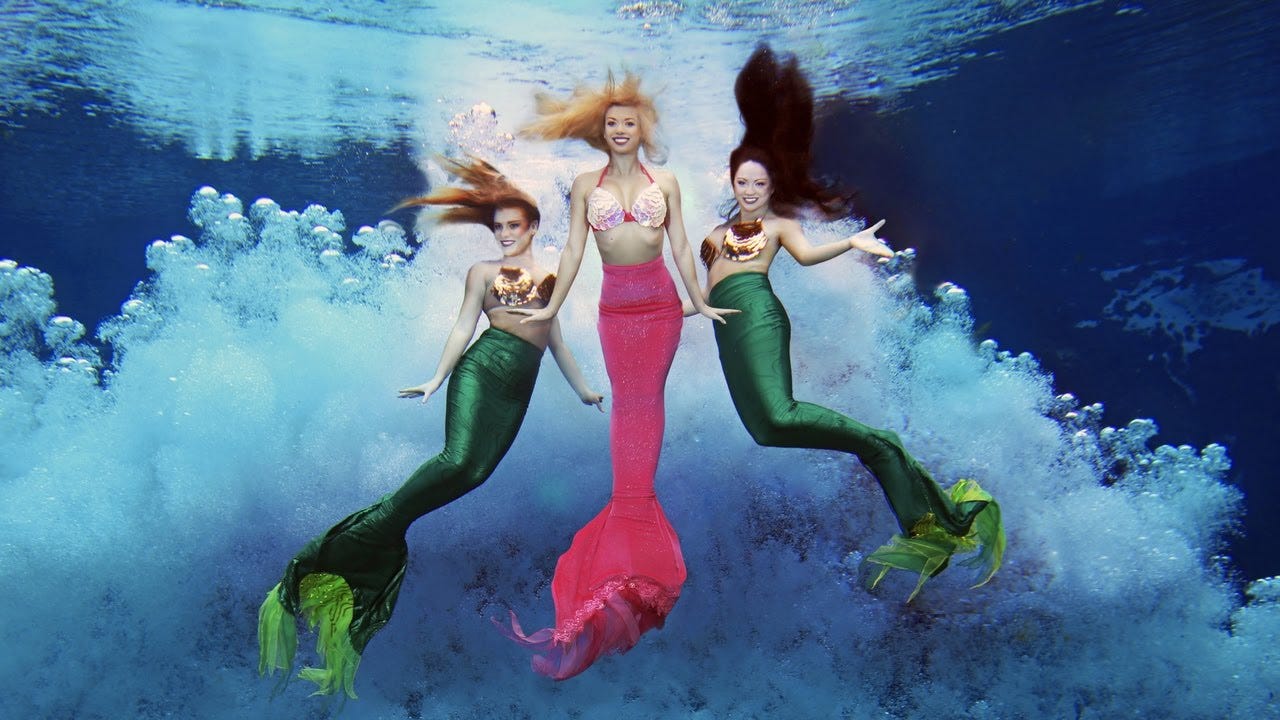
This feels like one of the more commercially minded state parks, billing itself as the “only spring of live mermaids.” And it’s true. They do have mermaids and mermen inside of an actual Mermaid Theater, and yes, they are definitely alive. This mermaid show has been going for decades, and it was recently made famous by the Netflix documentary MerPeople. They also offer mermaid camps for both kids and adults where you can “Be the Mermaid.”! So, as they say in MerSpeak, “Pack your tail, sweetie,” and come on down to the land of the other Merfolk. For the tailless among us, they also have waterslides that careen right into the natural spring. After you are dazzled by a mermaid or a merman, the Weeki Wachi river is actually a beautiful place to paddleboard and or kayak with the possibility of seeing more mundane marine mammals like dolphins or manatees.


This is an amazing place, almost literally in the shadow of Disney World. Emerald springs, boardwalks through tropical hammocks, kayaking, and plenty of wildlife are right outside the sprawling city of Orlando. You don’t want to miss this place. Bear in mind that it does get packed on holidays and weekends. It’s a great place to rent a kayak or just explore. We spotted osprey and amazing purple blooms of pickerelweed here.
Once, a little 3-4 foot baby gator found its way into the main swimming area on a sunny Saturday. The rangers immediately evacuated everyone, and we got a kick out of watching them try to corral this little swamp puppy without getting in the water themselves.


Formerly called “Rio de la Paz” by Spanish explorers, the river between Arcadia and Wauchula, Florida, not far from modern-day Tampa Bay, has a rich history of supporting the large population of Calusa Native Americans who occupied the area hundreds of years ago. The plentiful amount of fish provided a constant source of food, and the freshwater provided over 5 million gallons per day of drinking water.
The best thing about this place is the fossil hunting. The slow current keeps the fossils well-preserved. There are sections you can walk through and just pick up fossils by the riverbed. The river, of course, was a place where many animals gathered. If you look closely and with a bit of luck, you can find the fossilized remains of mammoths, megalodons, and even giant sloths as you sift through the sand and dirt.
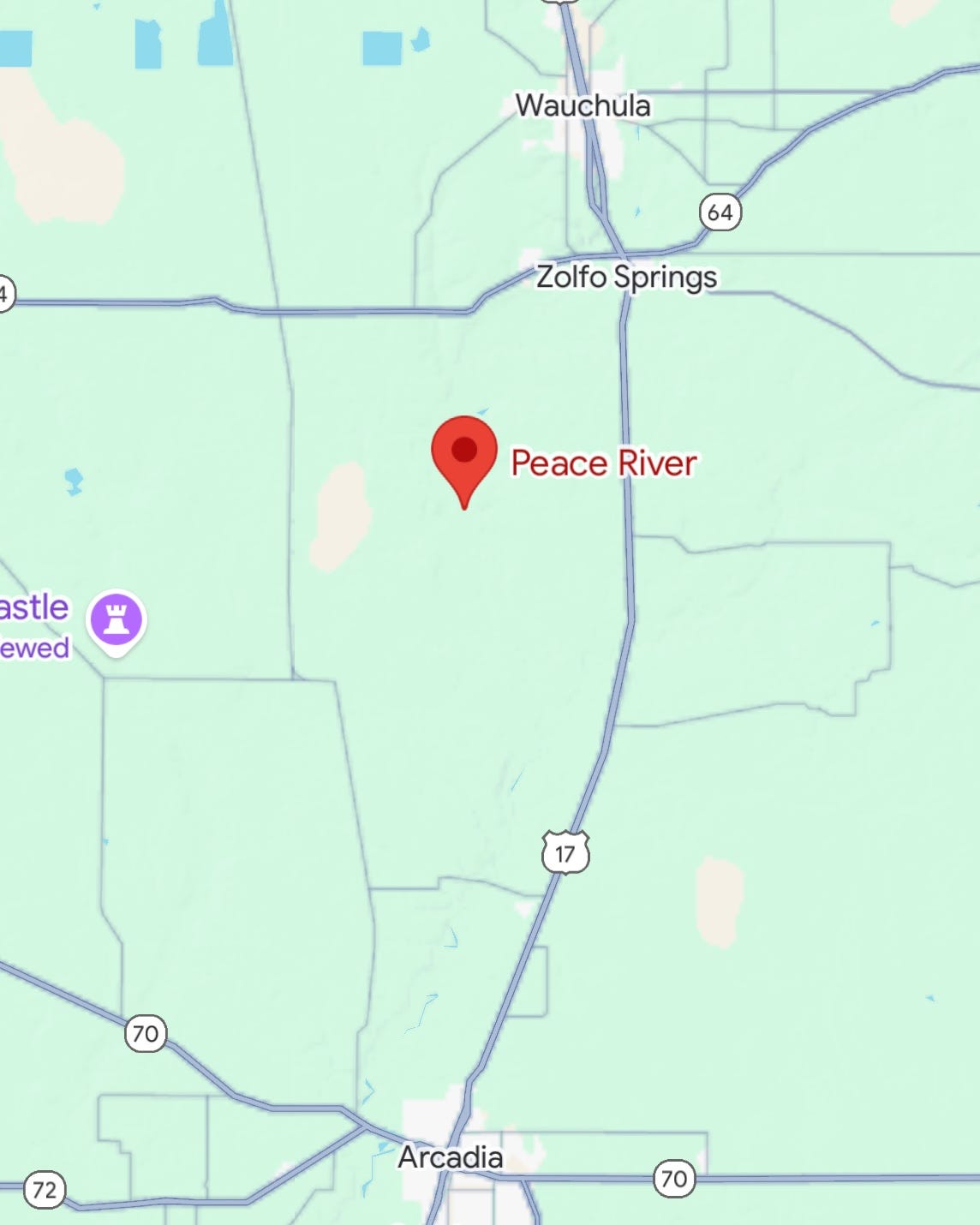
You can do this fossiling trip alone, but as you can see by the map above, it’s not exactly clear where to access the best sections for wading through the calmest waters and where you can optimize your odds for peak fossil finding. We highly recommend getting in touch with the Florida fossil expert, Mark Renz, who knows every inch of the prehistoric graveyard that is the Peace River. He can advise you on the best time to go, is great with kids, and will patiently help you identify all your findings. His contact info can be found here on his website, Fossil Expeditions.


This is the only warm or hot spring that we know of in Florida, and it’s located just outside the town of North Port. It’s a fun and relaxing place to go with the kids, who can play in the 85-degree water for hours. The spring is notable for its high mineral content, often cited as one of the highest among natural springs in the United States. It contains an estimated 51 minerals and is rich in sulfur and magnesium, which are believed to have therapeutic benefits. It also contains dissolved chloride and hydrogen sulfide. It turns out it has one of the highest mineral content of any natural spring in the United States.
Warm Mineral Springs is unique due to its warm temperature and high mineralization. In contrast, many other Florida springs have lower mineral content and are typically characterized by cool, alkaline mineral water, often around 72 degrees Fahrenheit.
Anyhow, we love this place. It’s got this old Florida mid-20th-century spa vibe with some indoor shops and changing areas. It’s popular with older Russians and Eastern Europeans, who seem to always be in the way, giving our kids dirty looks as they splash around a bit too much. The spring itself is basically this round pond about 1.4 acres in circumference, which reaches depths of nearly 250 feet in the center.
The hourglass-shaped sinkhole (or cenote) is the result of an apparent earthquake that created the subsurface cave-in some 20,000 years ago. At about 45 feet below the surface, small ledges encircle the basin, some of which contain shallow caves. Beneath these ledges, the spring's body expands to form a large cavity where debris accumulates, forming a "Debris Cone" that is thought to be over 30,000 years old.
Warm Mineral Springs is believed to date back to the Ice Age. During exploratory dives in the 1950s, the remains of a prehistoric hunter and seven other humans were discovered in a very well-preserved state. Similarly, evidence of several creatures has been extracted from the spring, including saber-tooth tigers, giant sloths, tortoises, and even camels. The Springs have been added to the U.S. National Register of Historic Places.
Unlike many places in Florida, this place has some serious historical significance. There are some nice trees for shade that you will have to fight for if you get there later in the day. So get there early. Make a day of it. Play. Soak. Chill out. Leave late. There must be something about these minerals because our kids leave the place chilled out and nap in the truck afterward.
Fin:
These 14 springs are the ones that we’ve visited and loved. Like we said, there are 1000 known springs to visit, so just come here, bypass the Magic Kingdom, and explore for yourselves. One dip into any of these springs is an experience you will remember forever. And who knows, maybe it will extend your mortality? Unlike Ponce de Leon, we hope you do live to tell the tale and if you do, please share your experiences and learning with us. We plan to update this as we visit more of the sacred Florida springs. Godspeed!
"I’ve never been to any of the springs, and I’ve always wanted to go. My ex used to say we’d go all the time, but we never did. It’s time to stop waiting for him and start the Earth Parade tour! Let’s pack up that RV and take Tia Danielle on an adventure!"